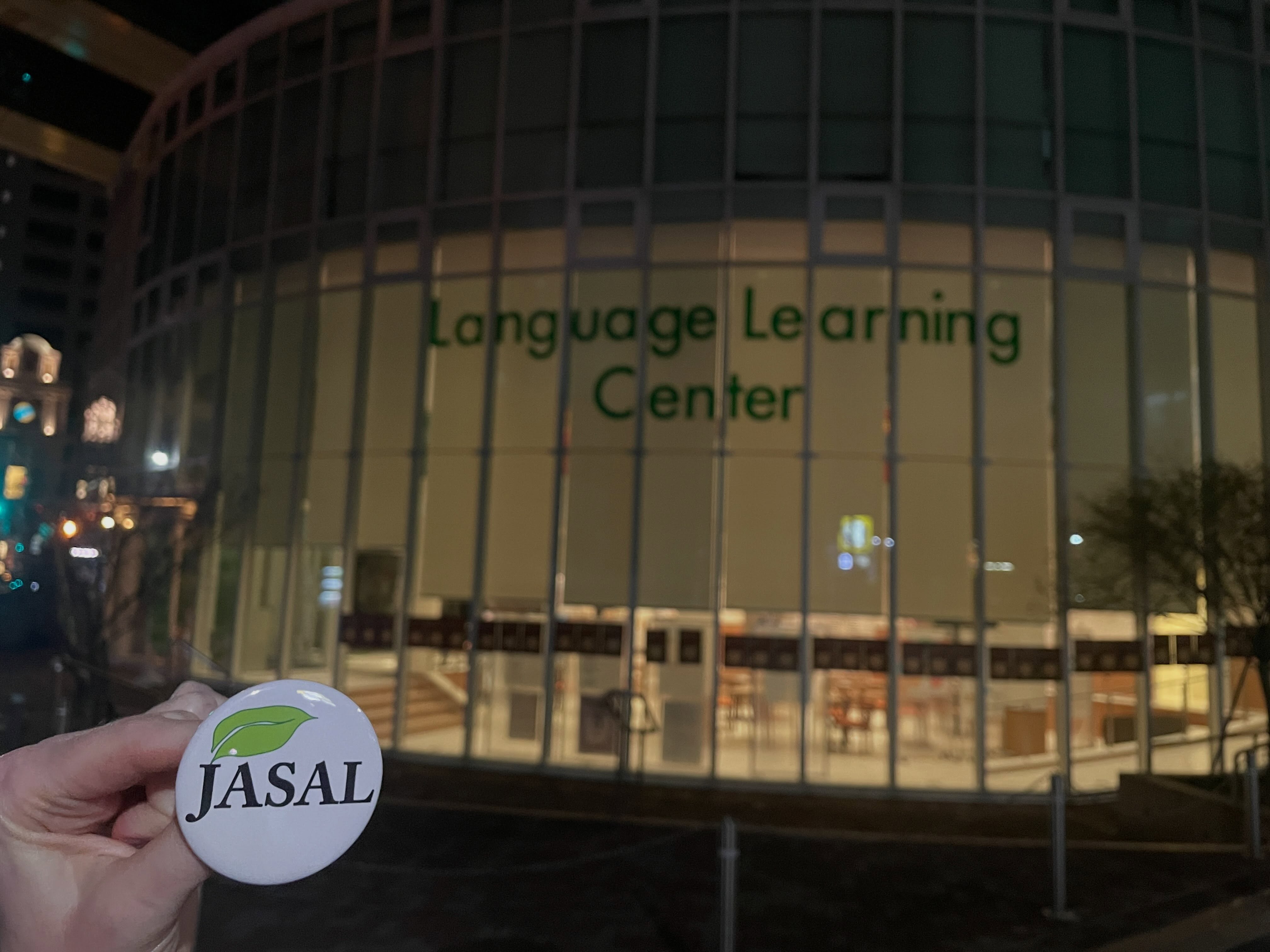
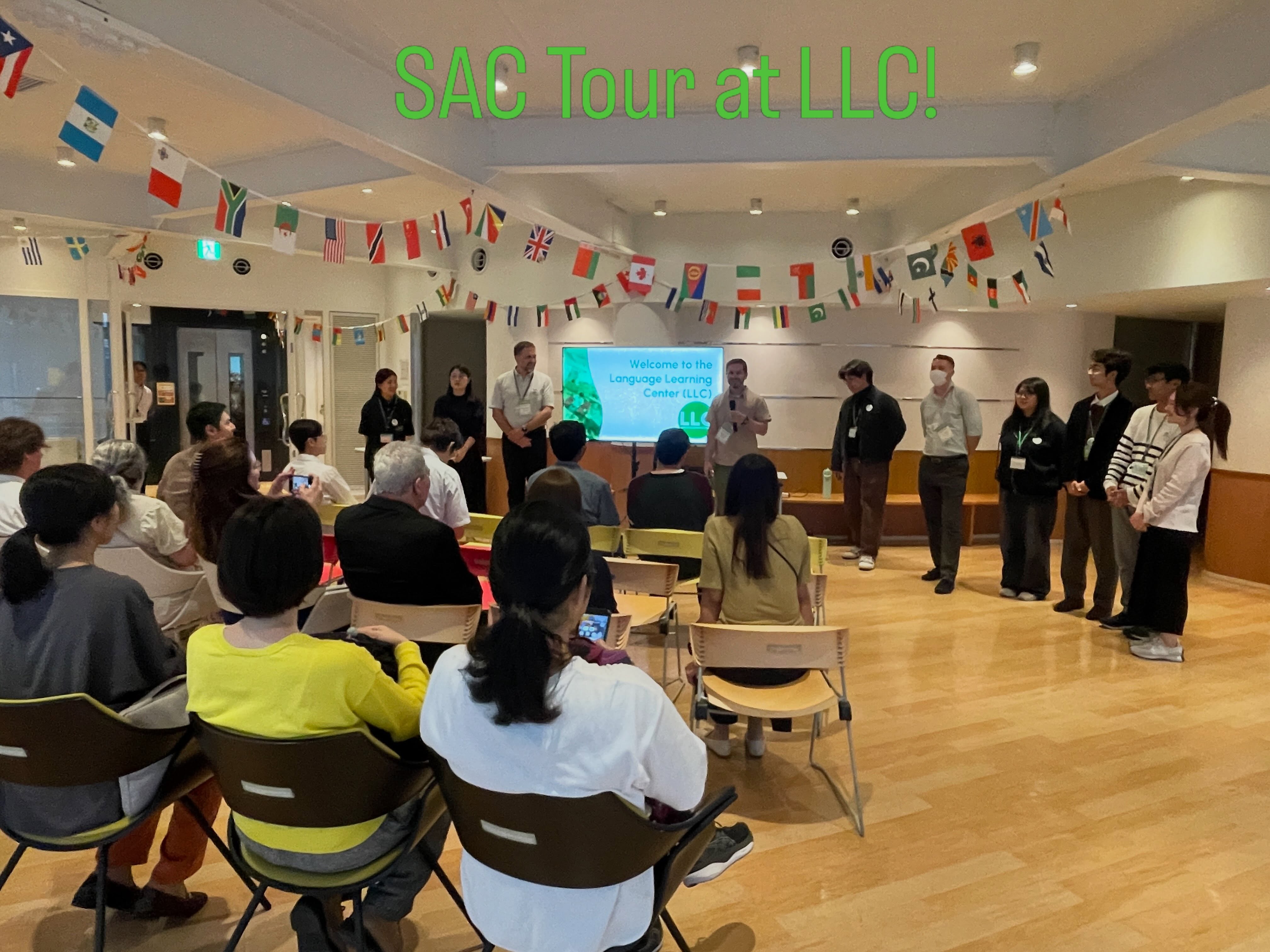
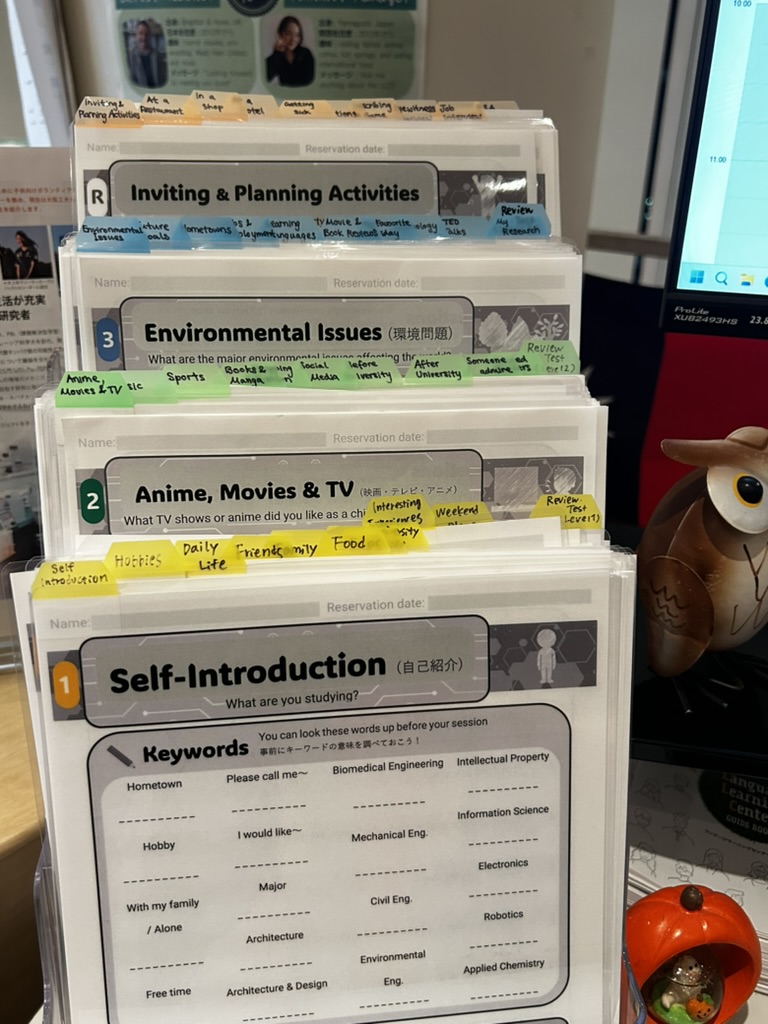
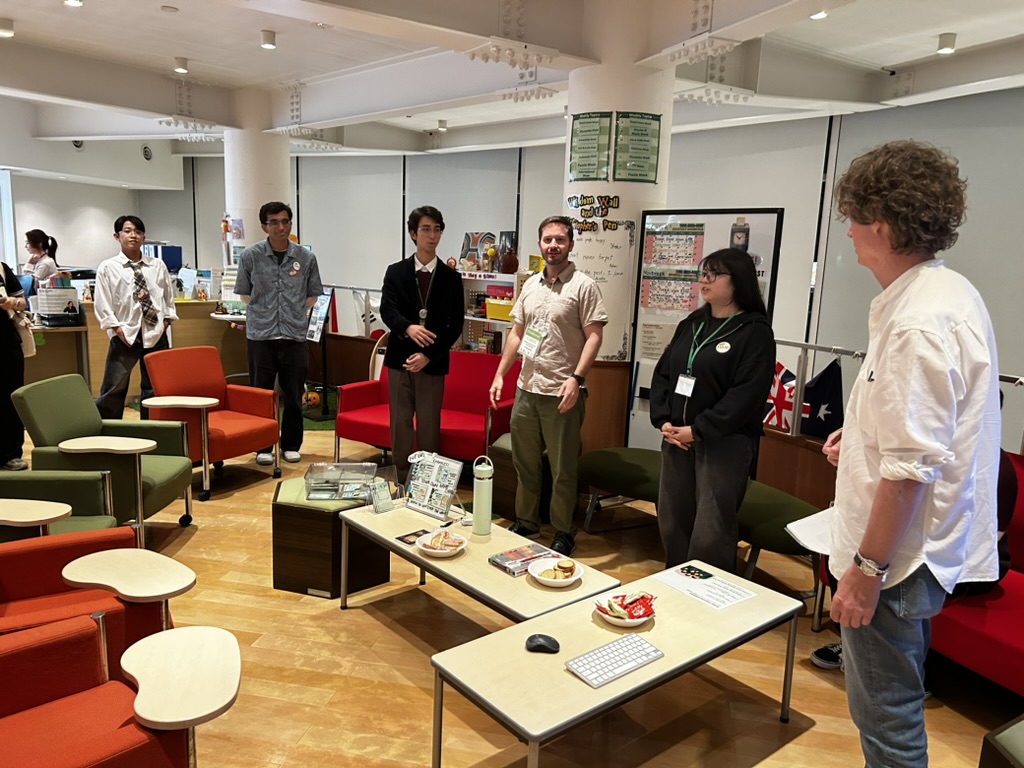
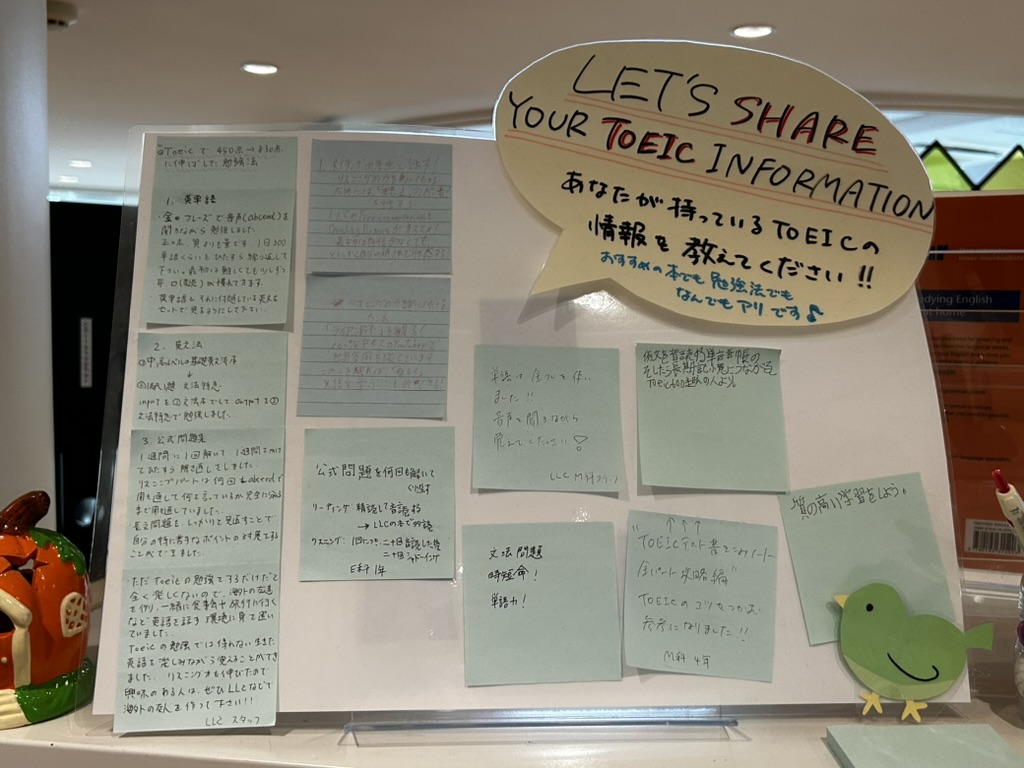
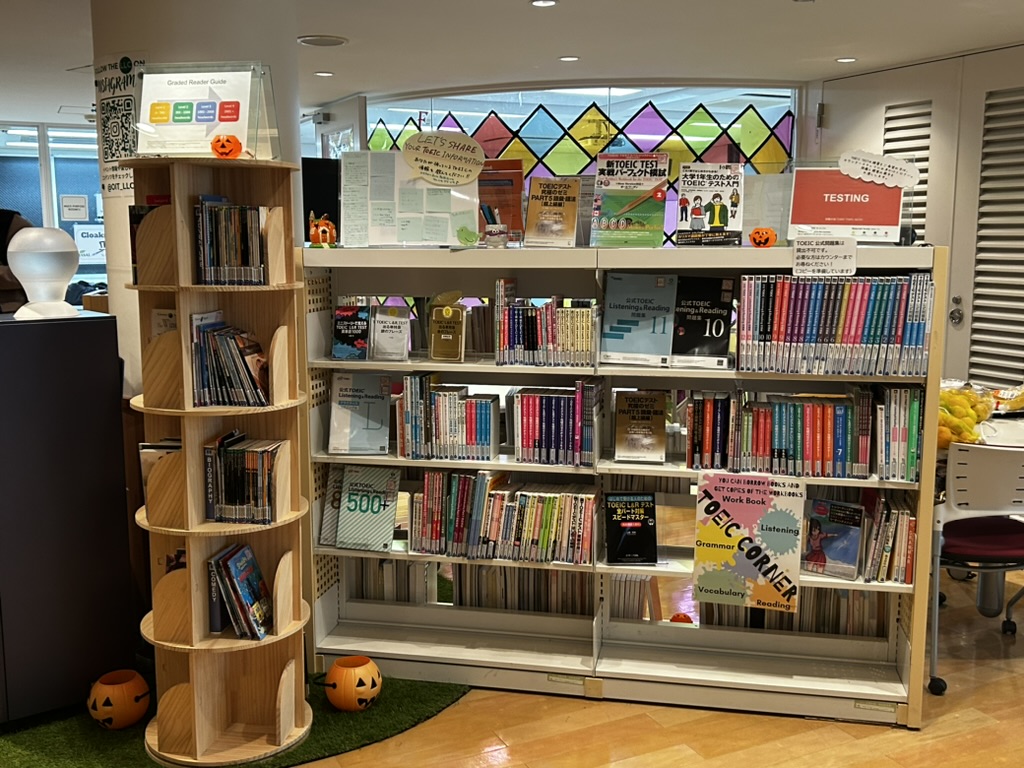
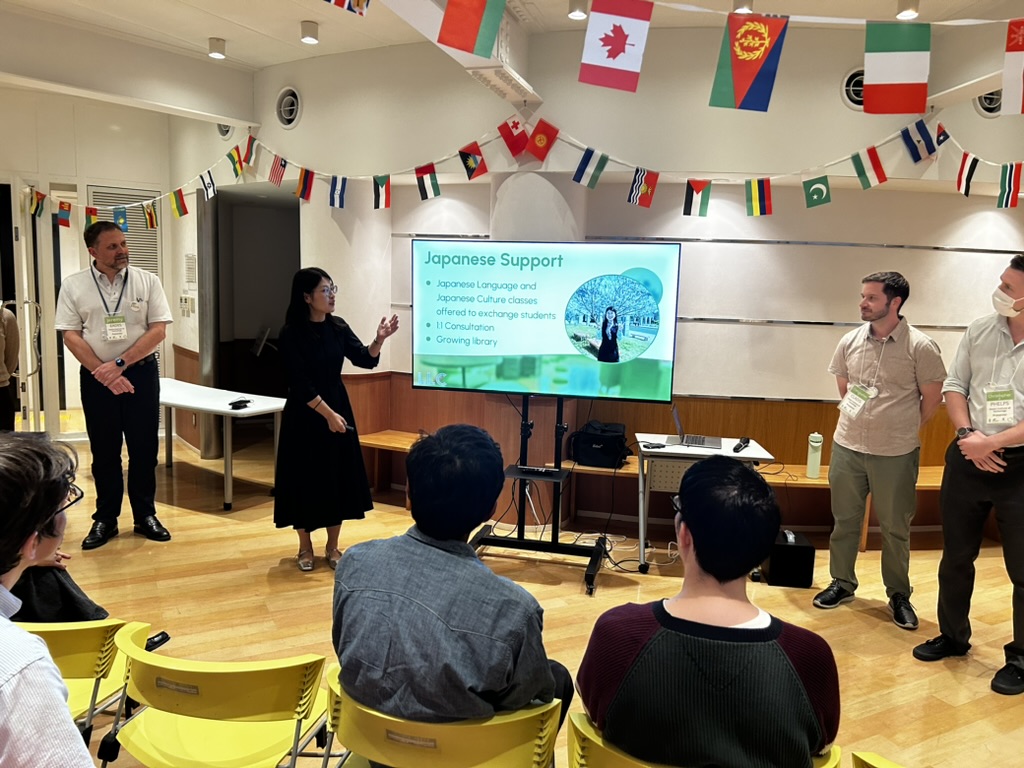
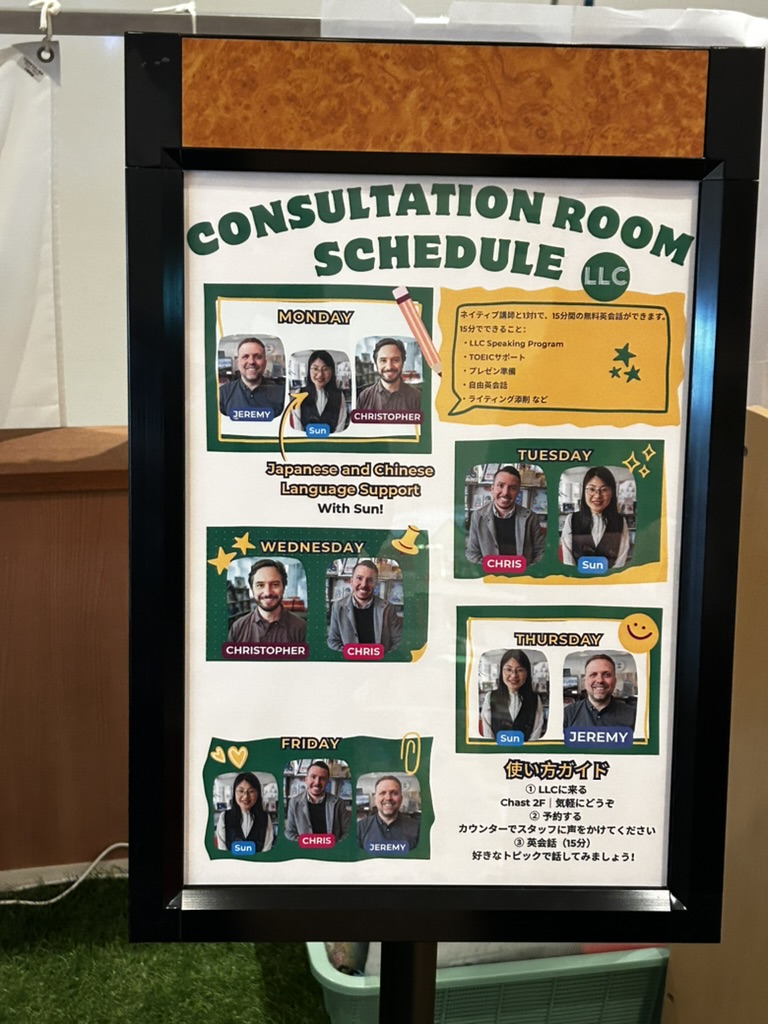
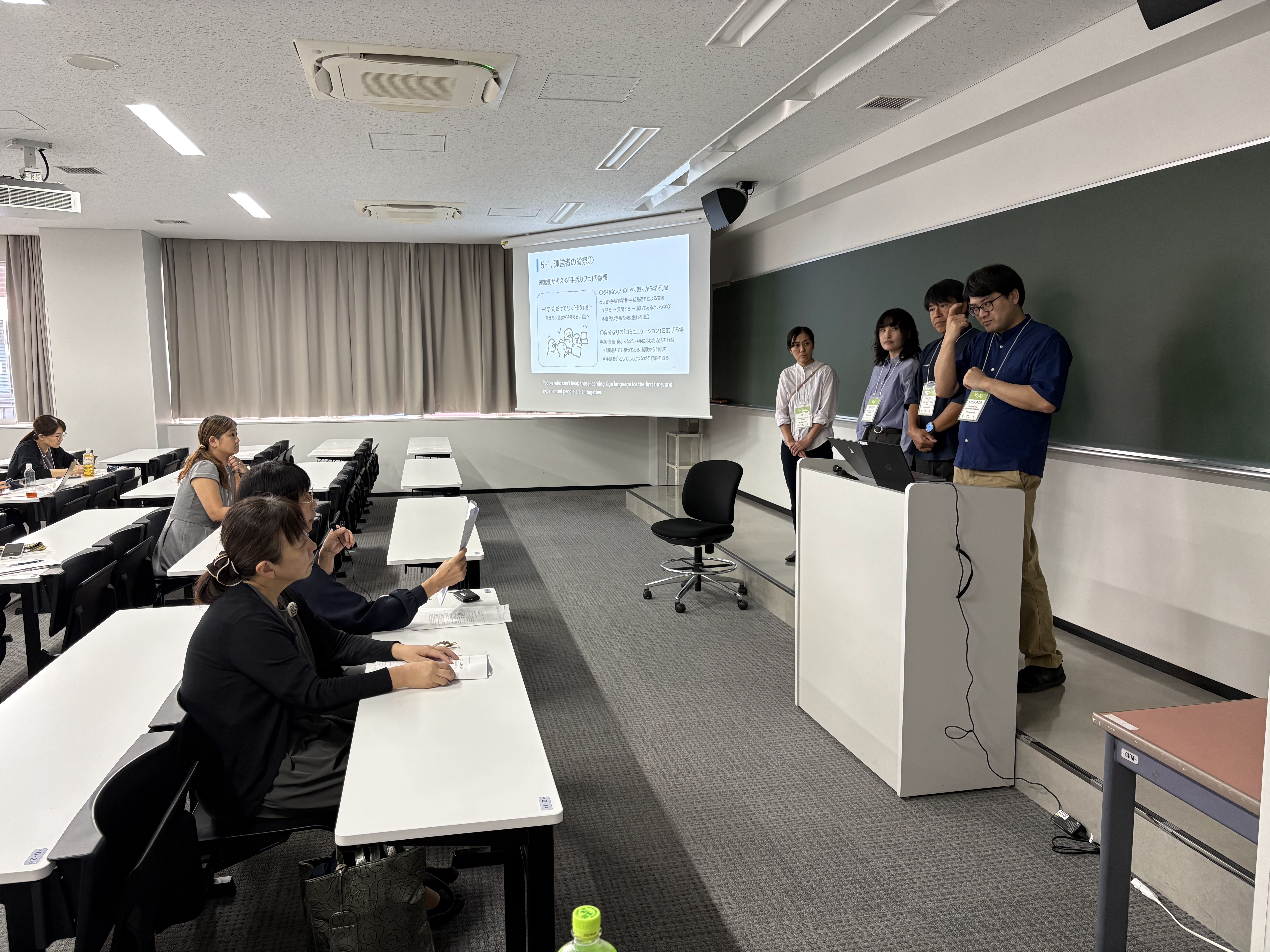
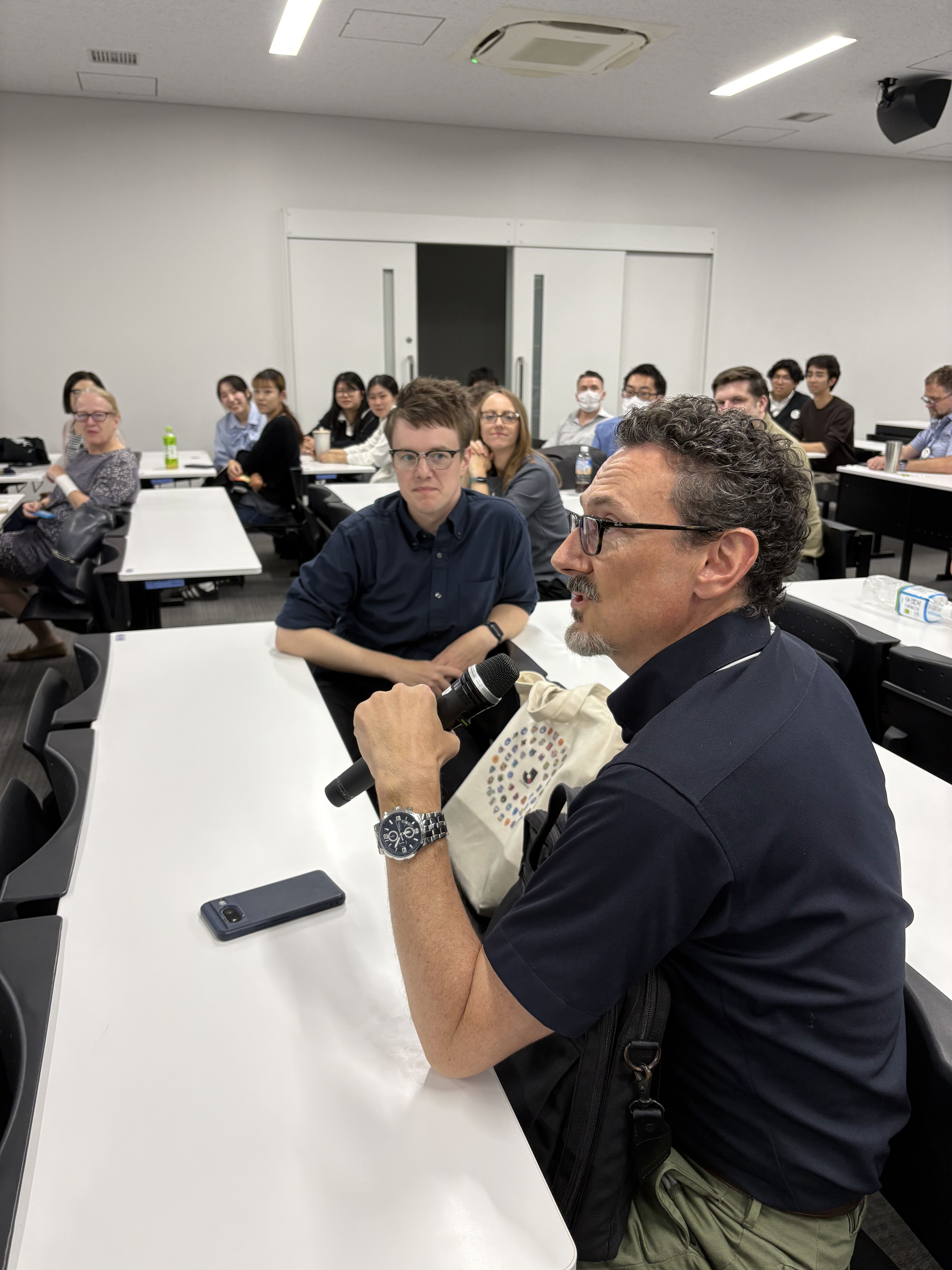
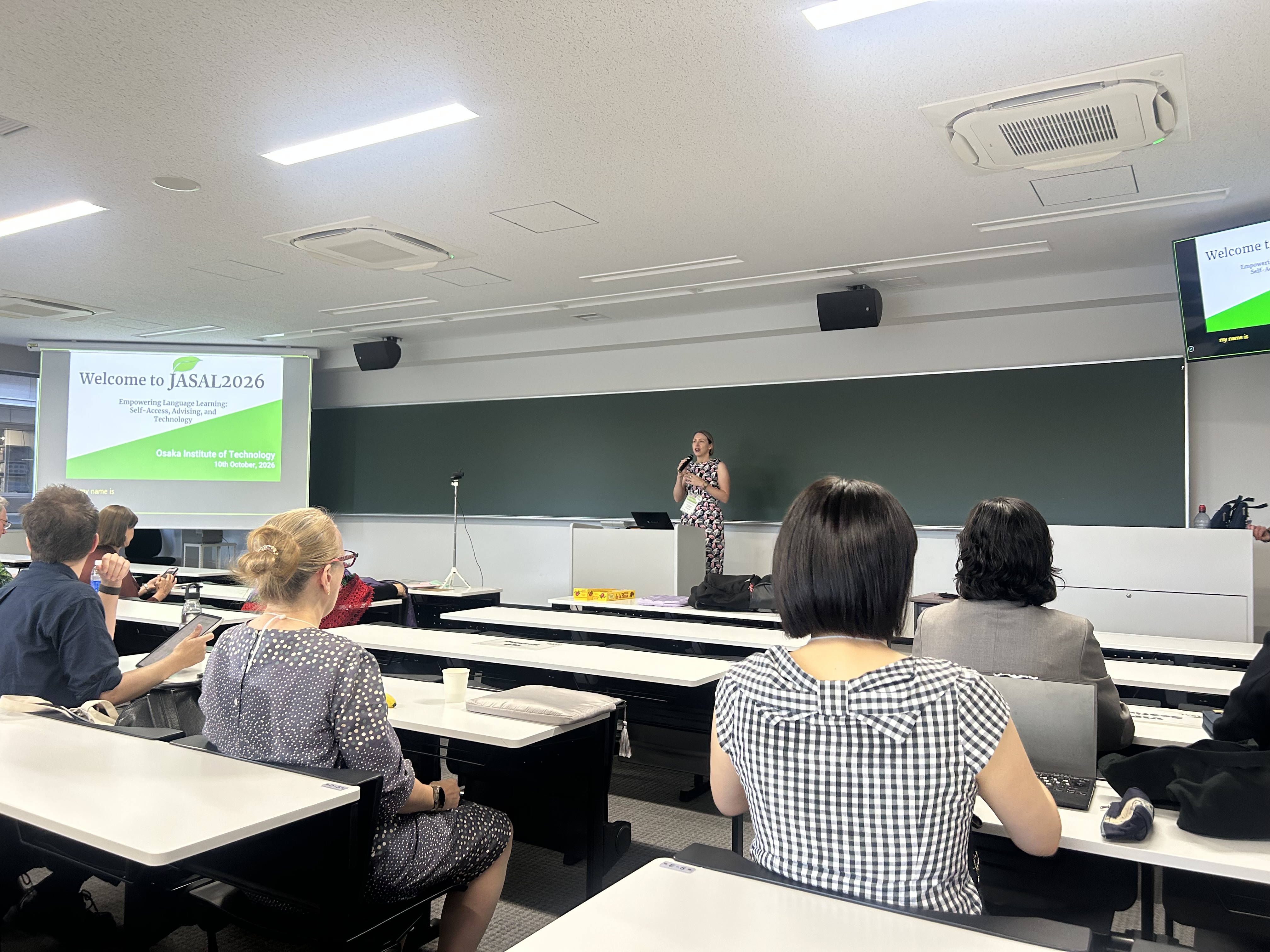
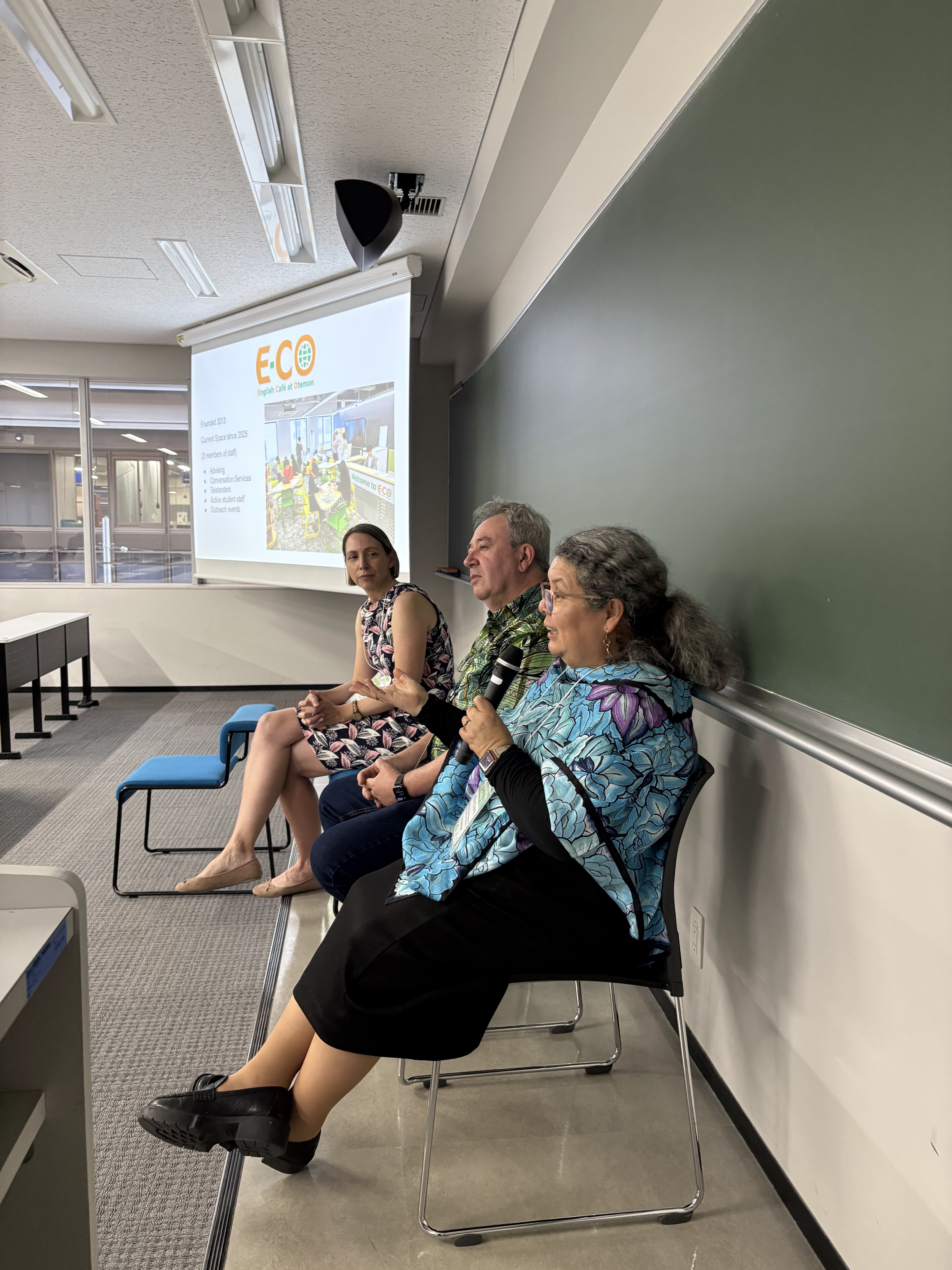
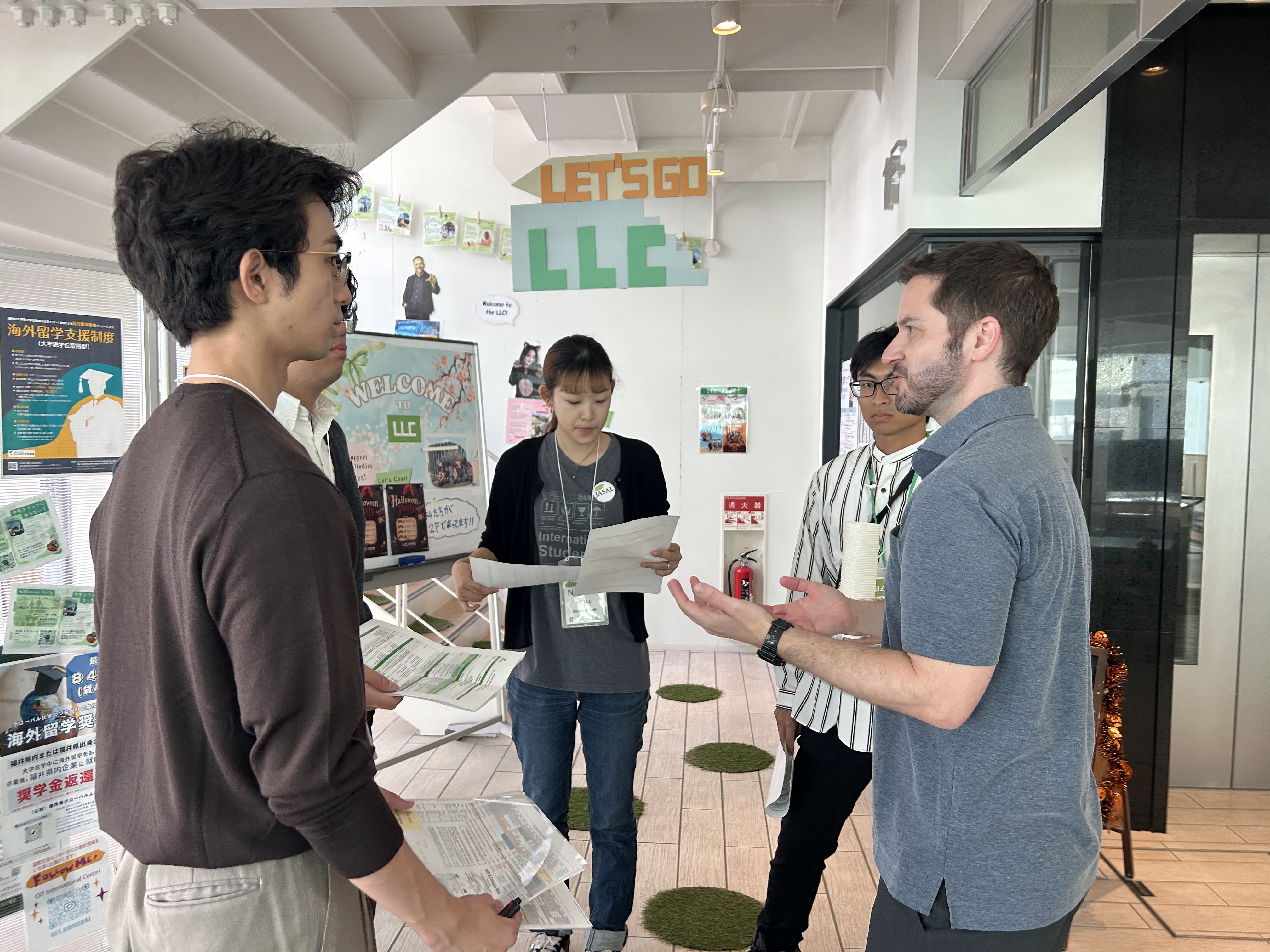
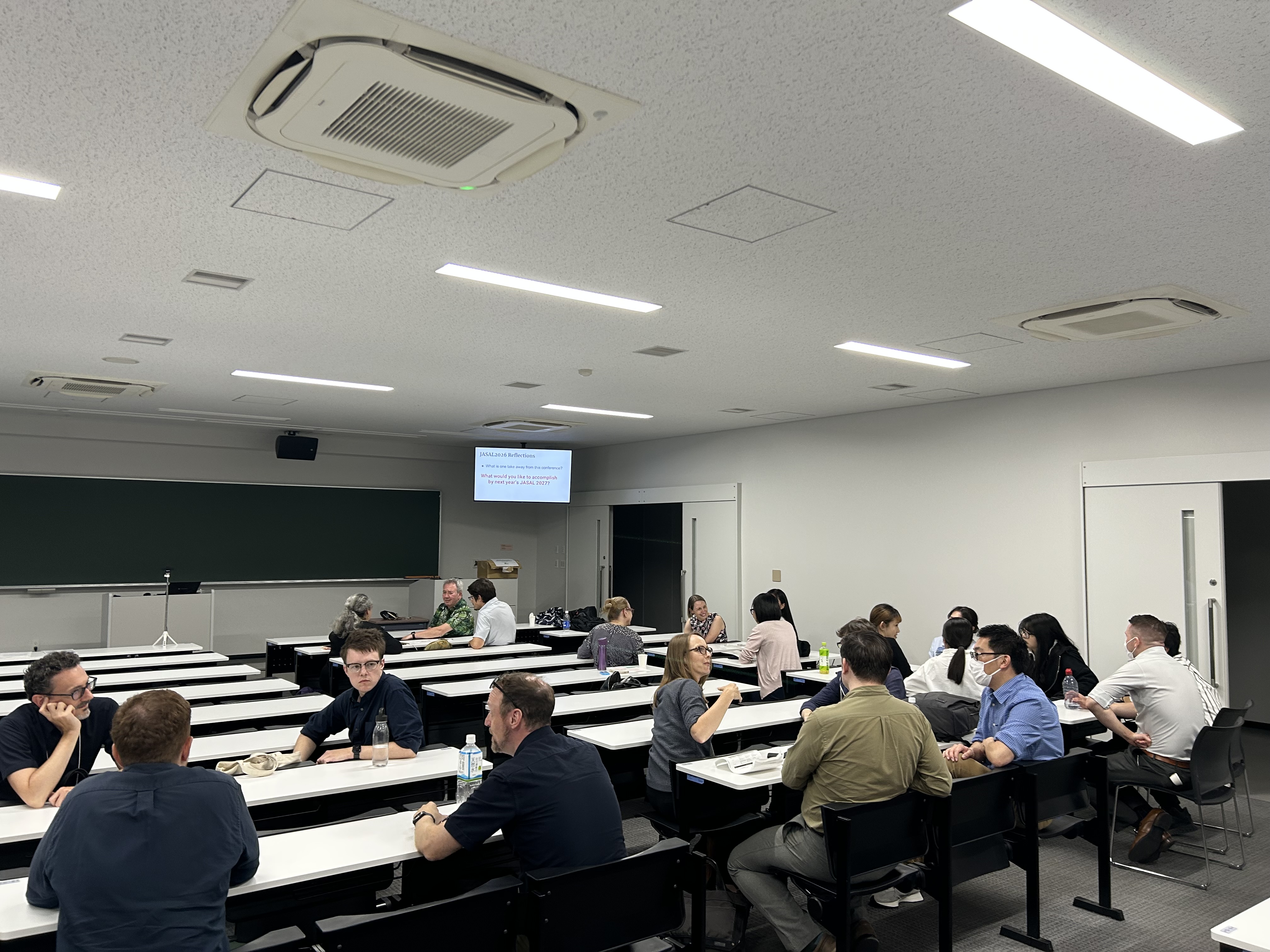
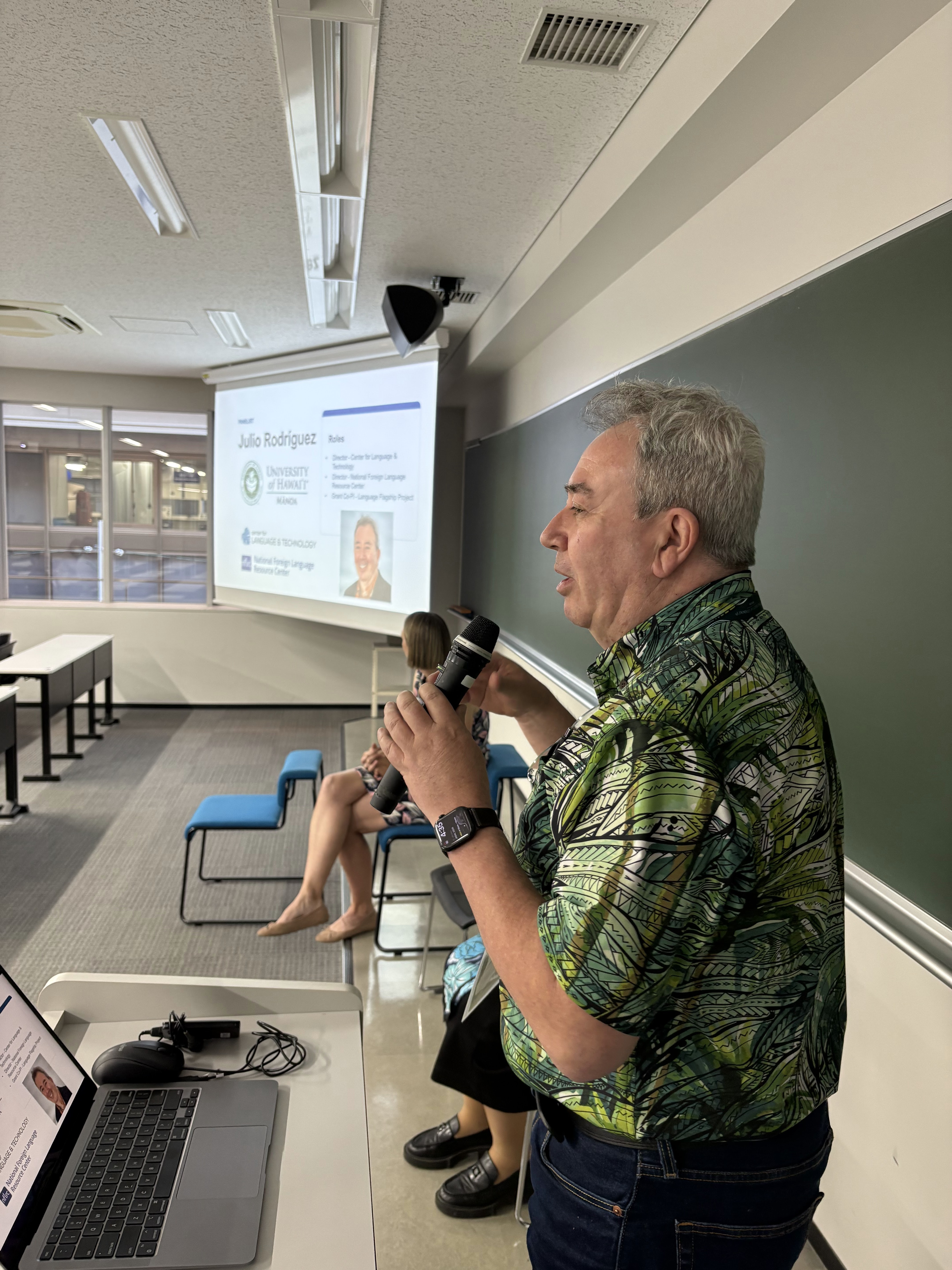
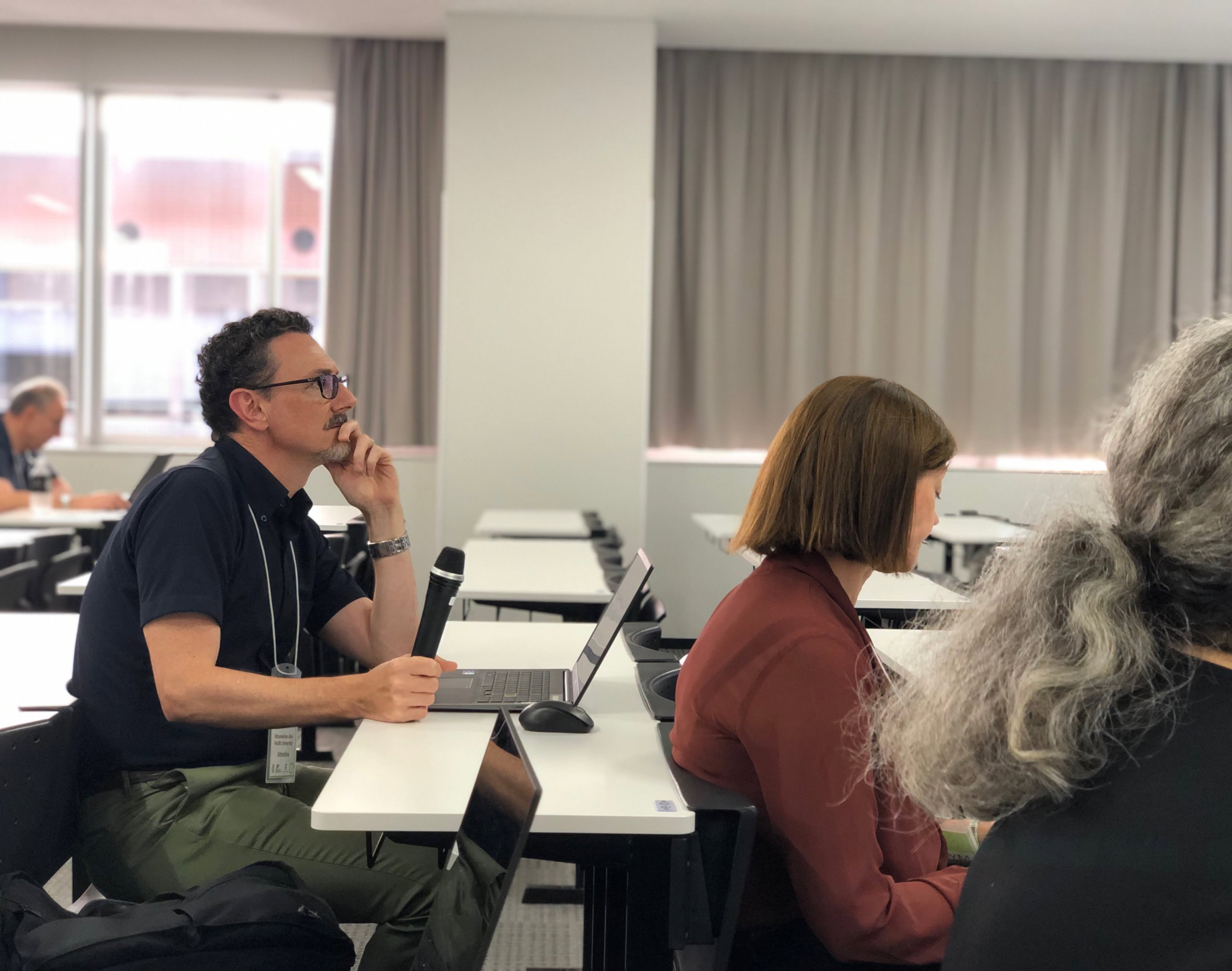
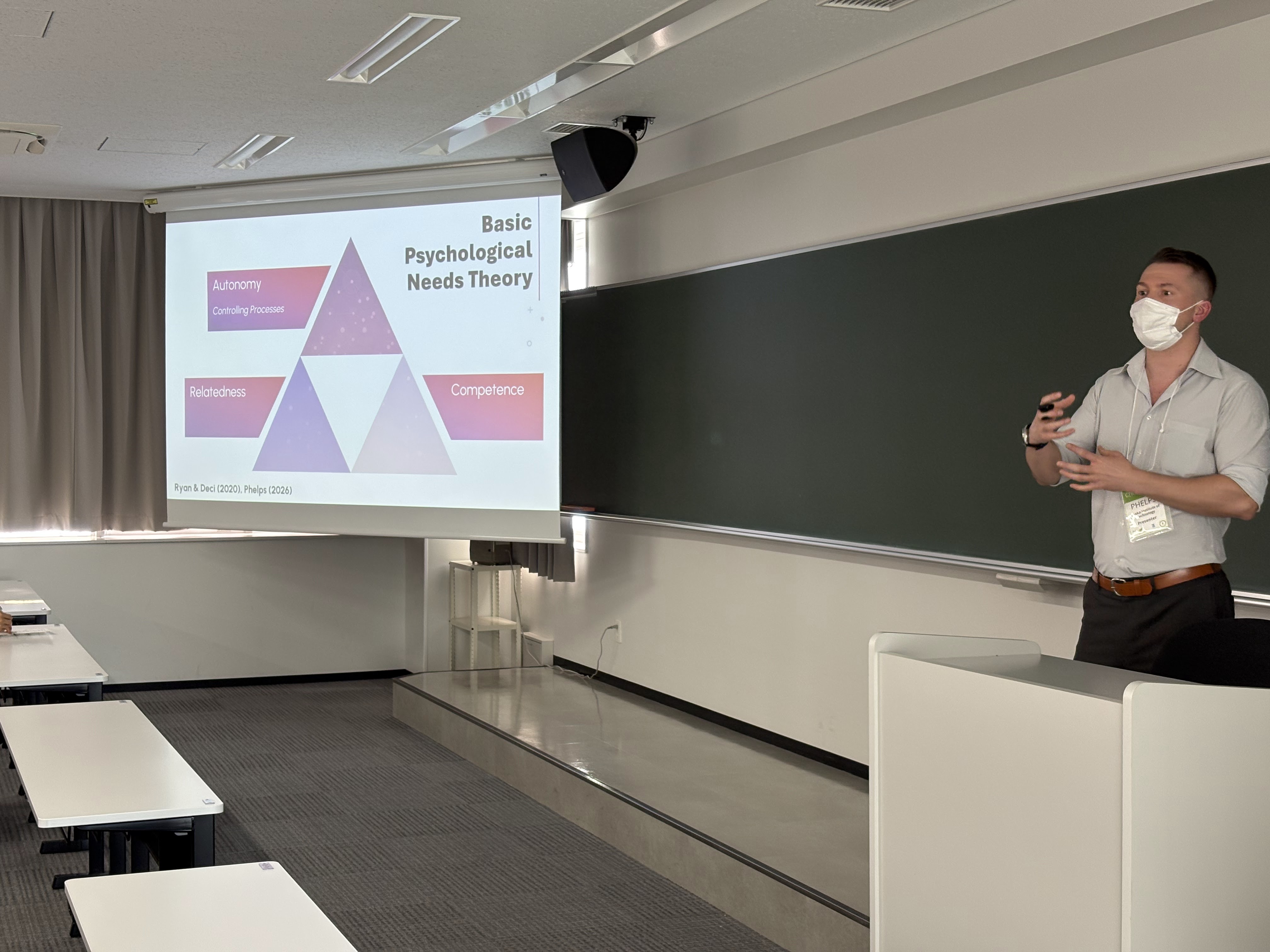
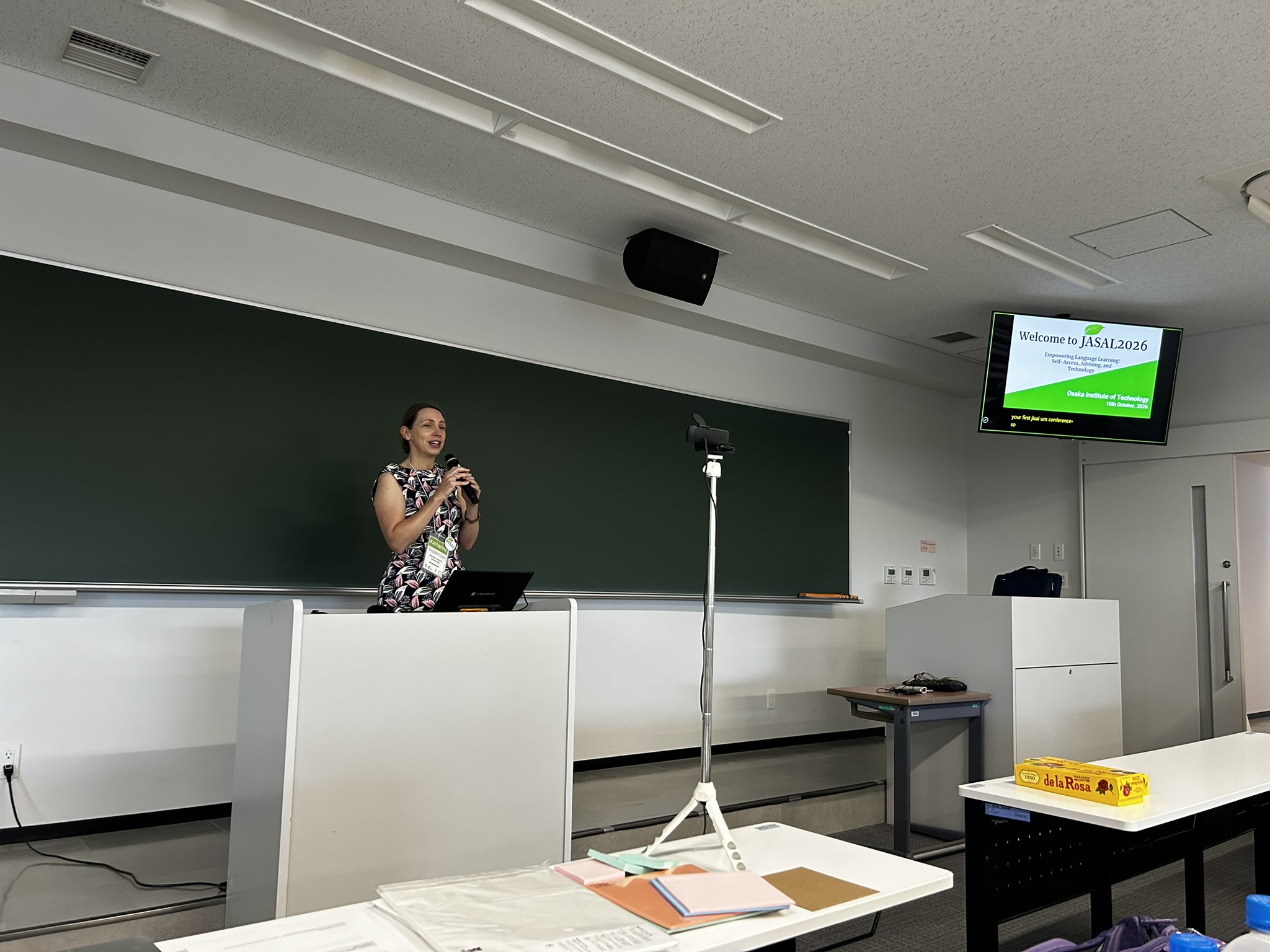
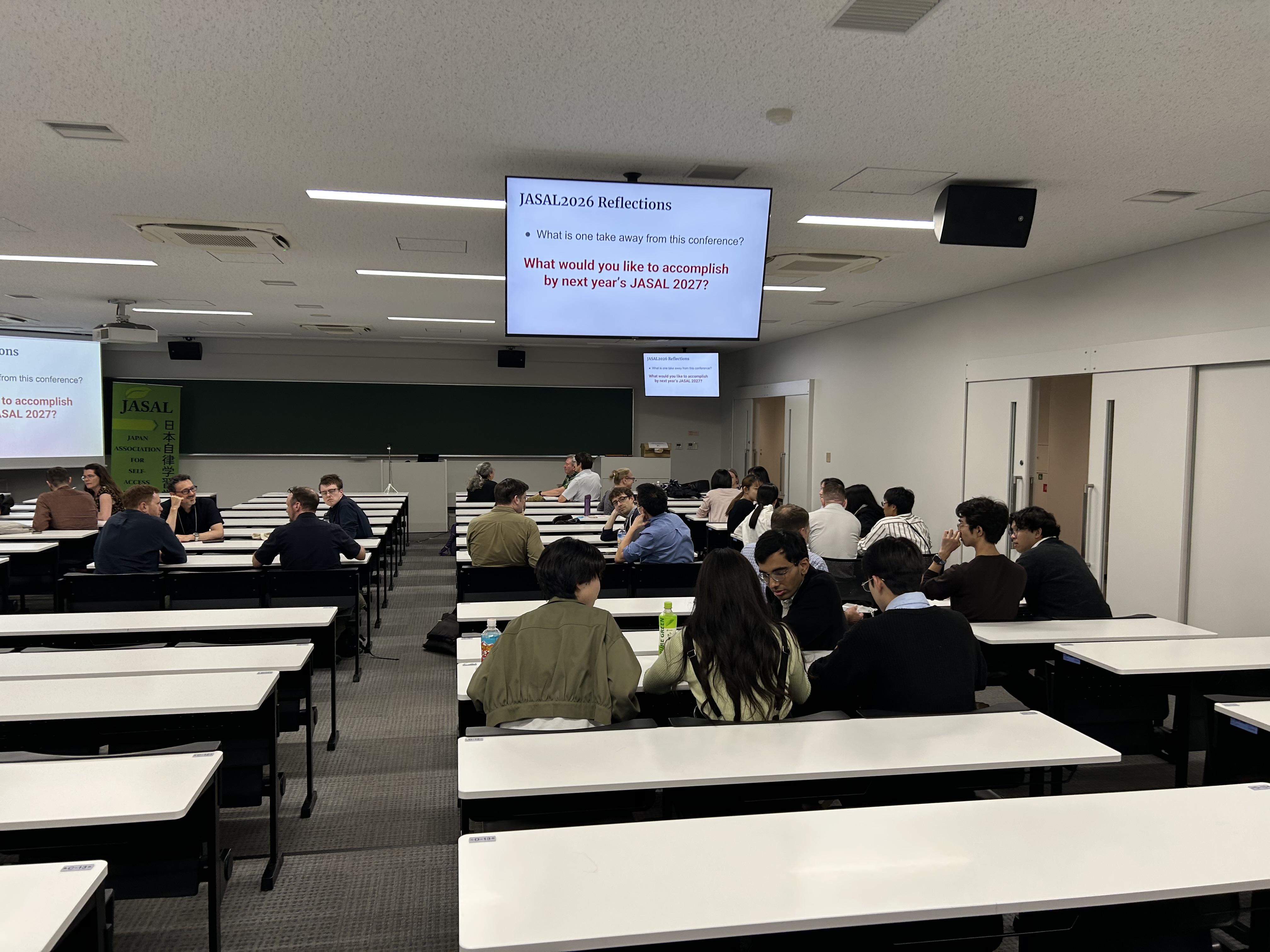
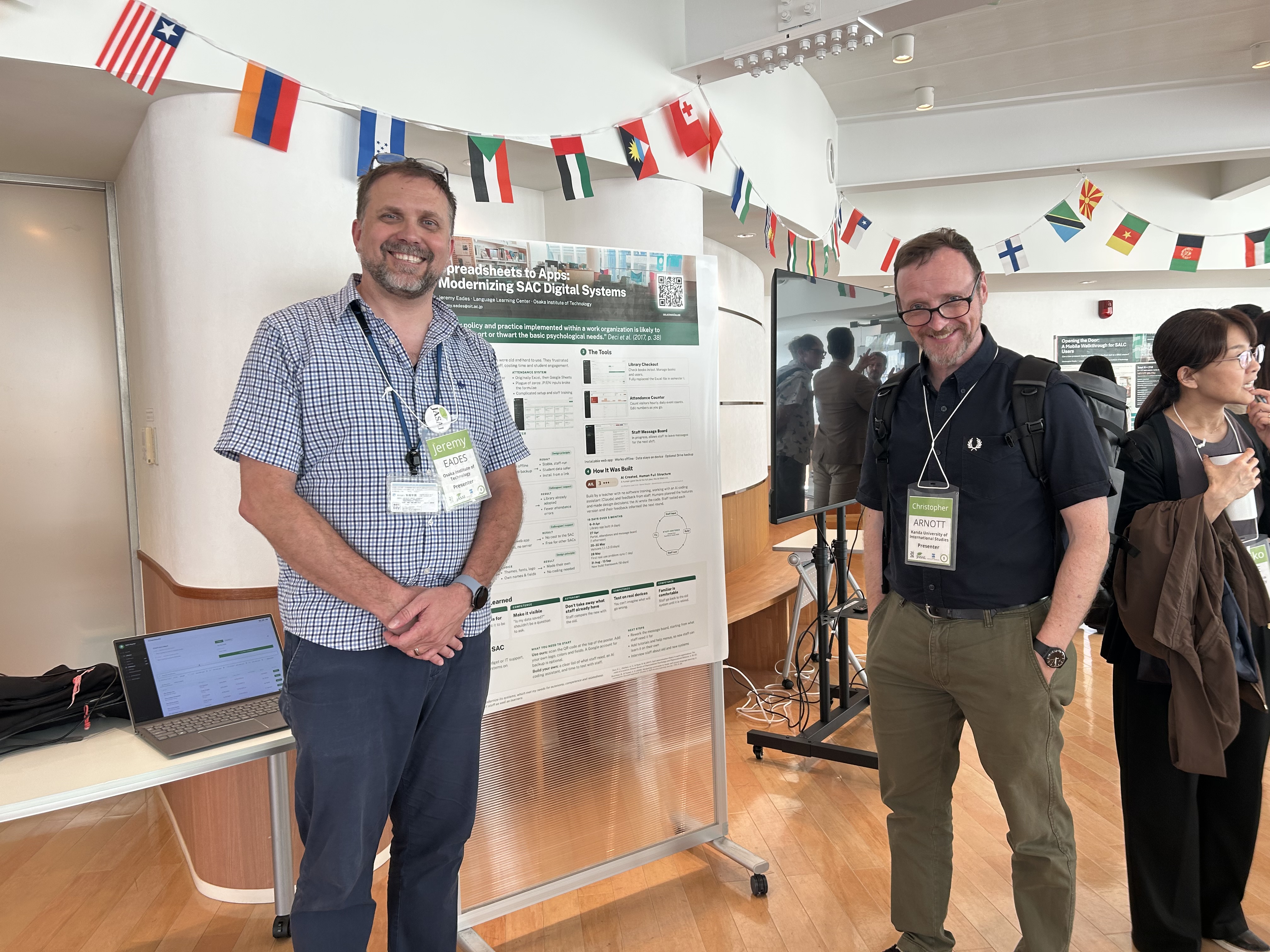
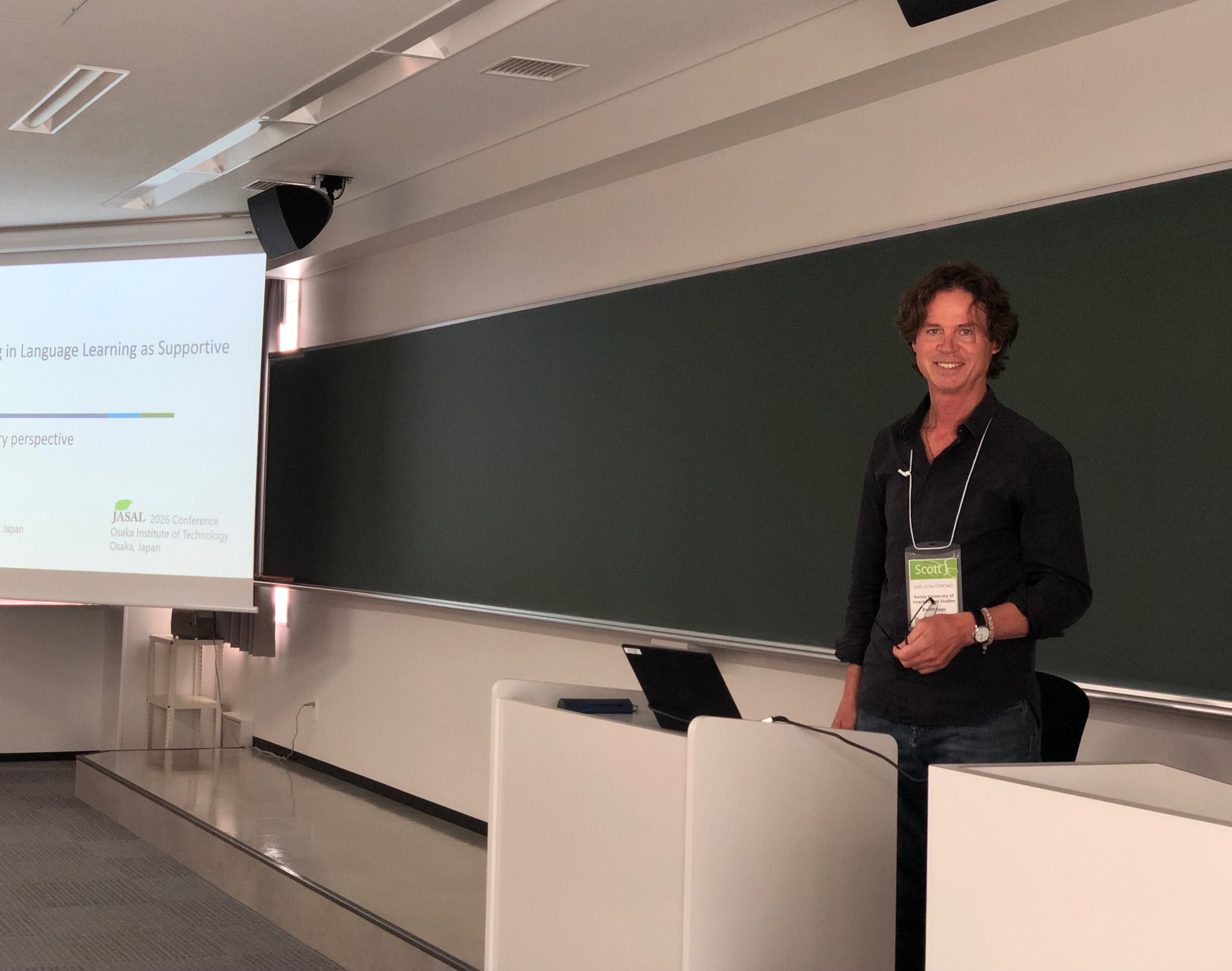
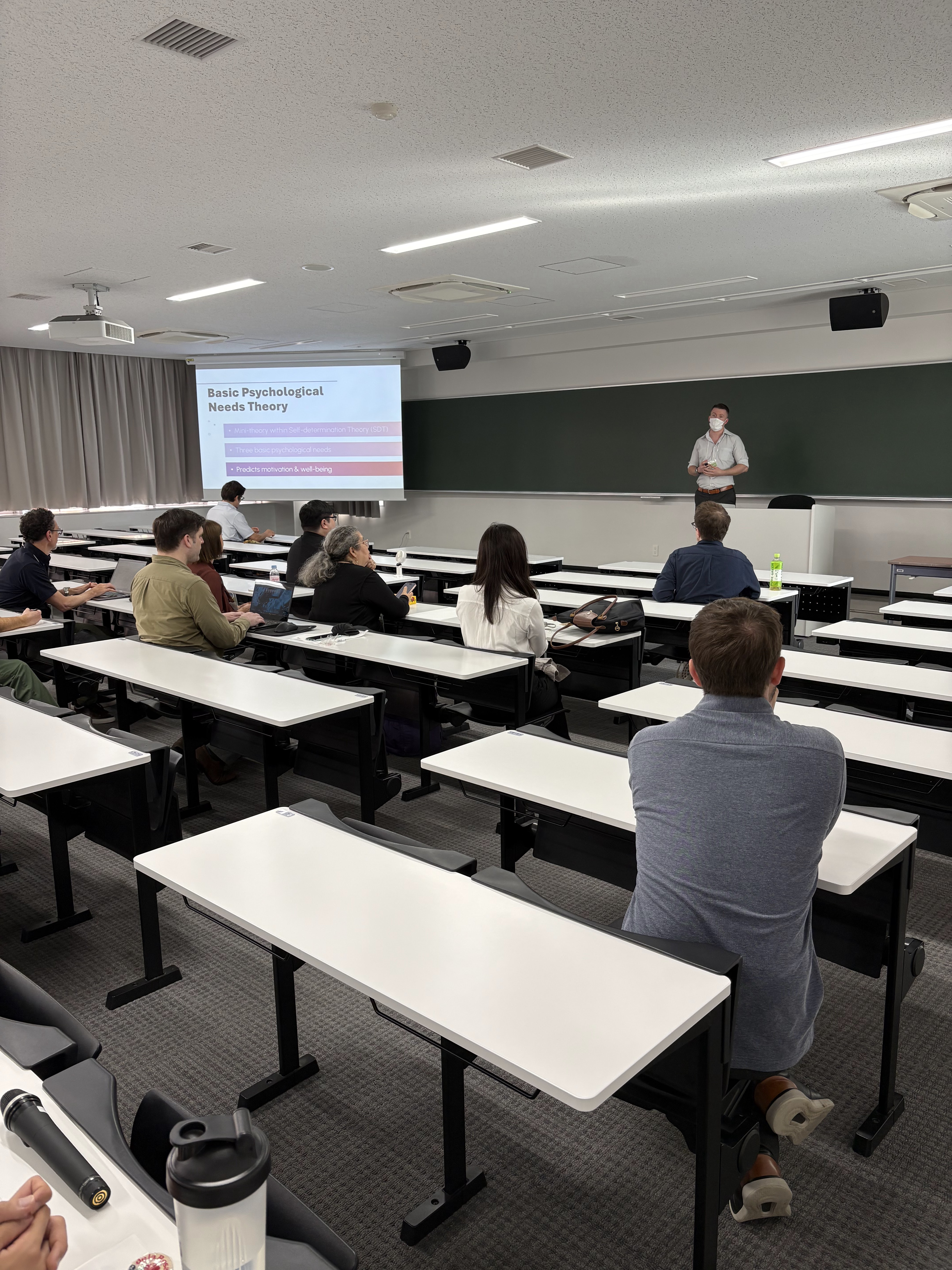
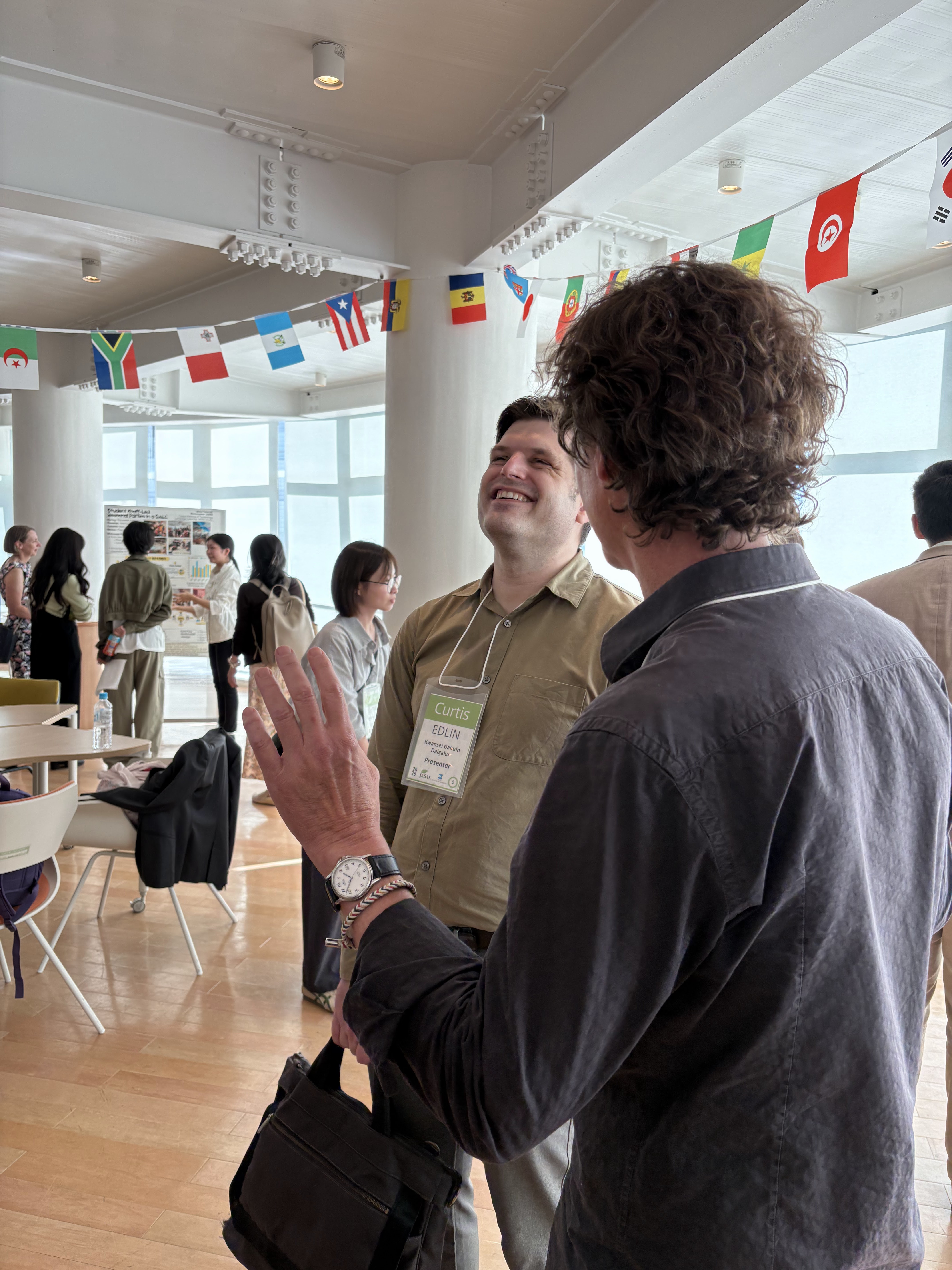
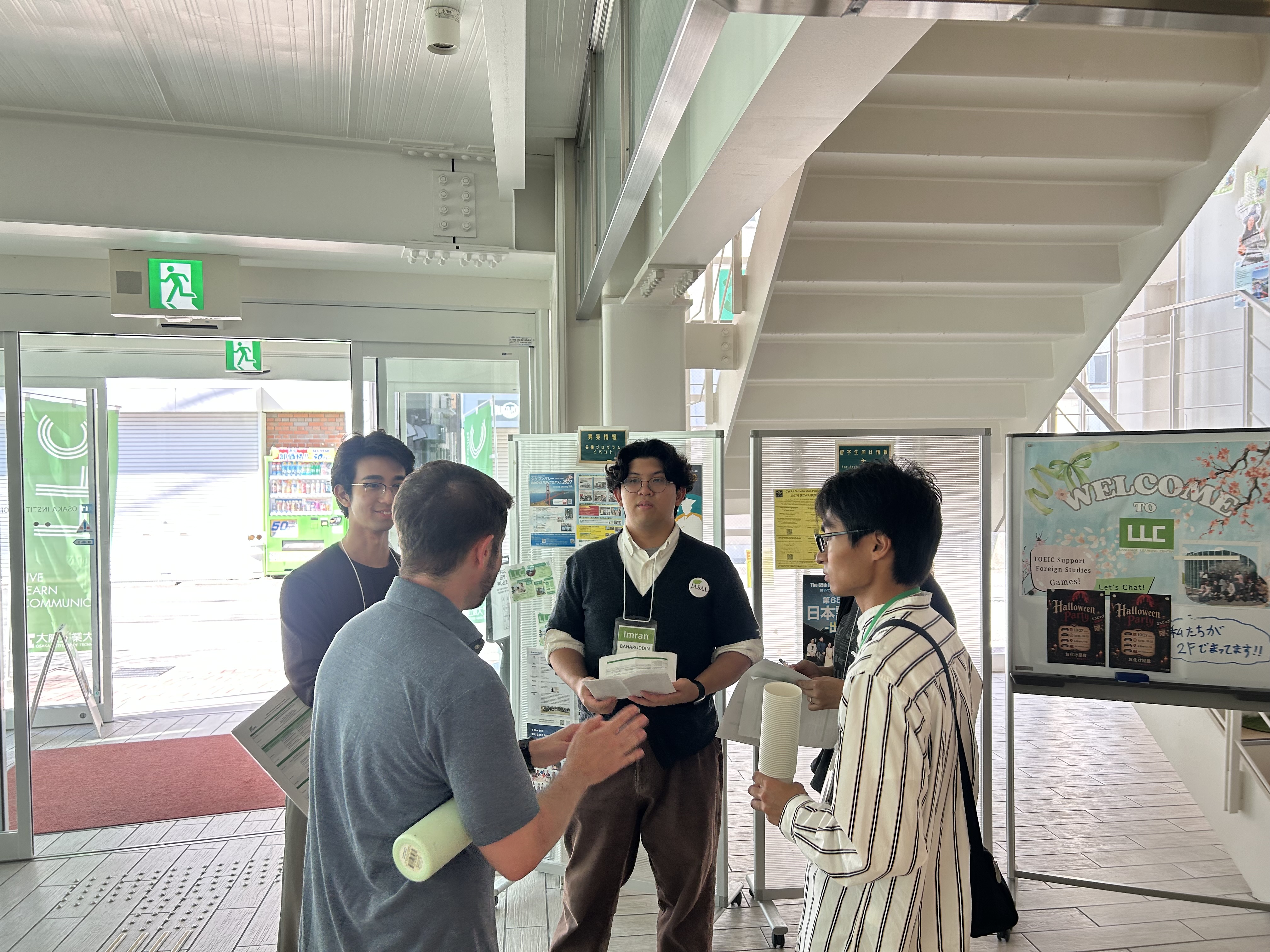
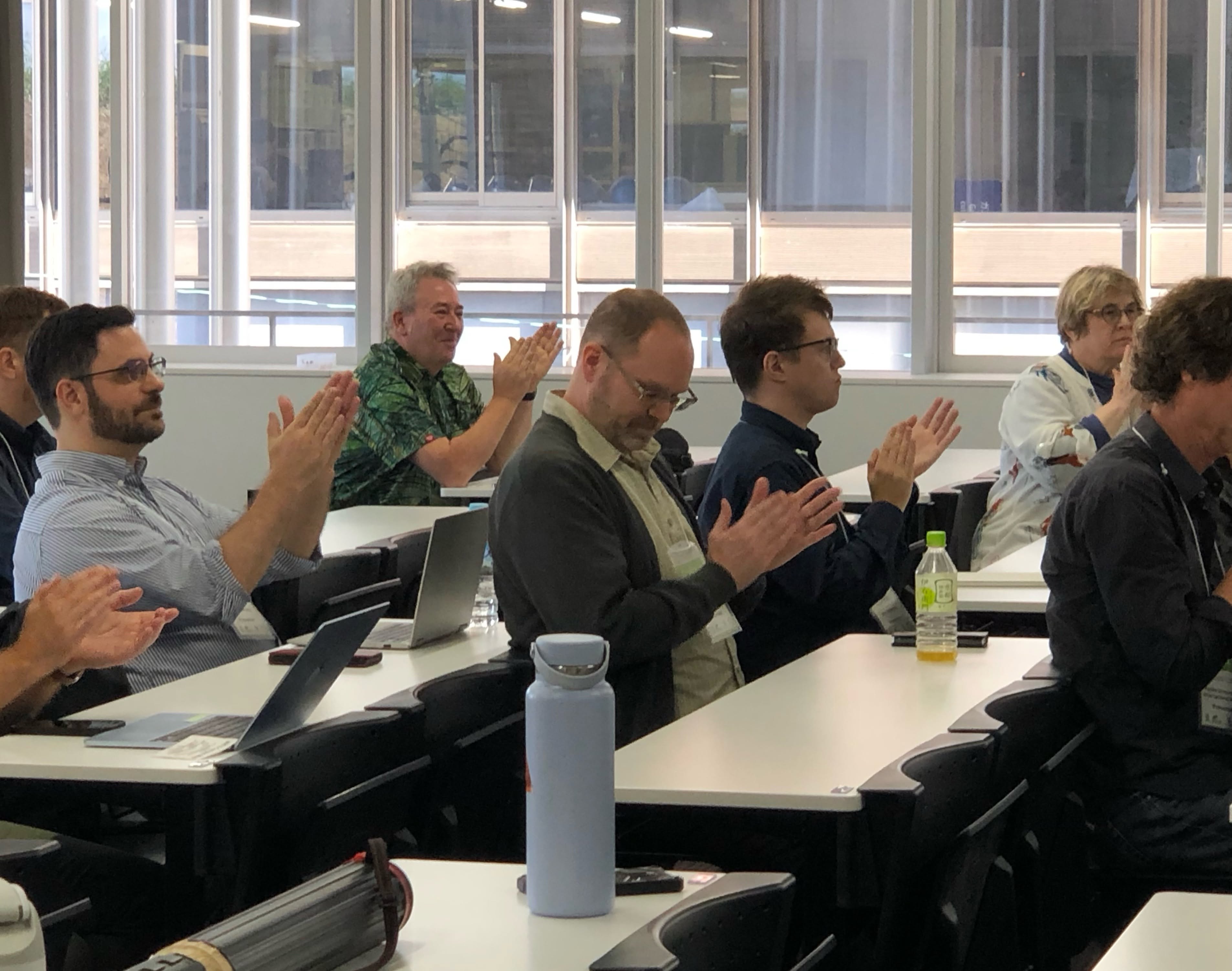
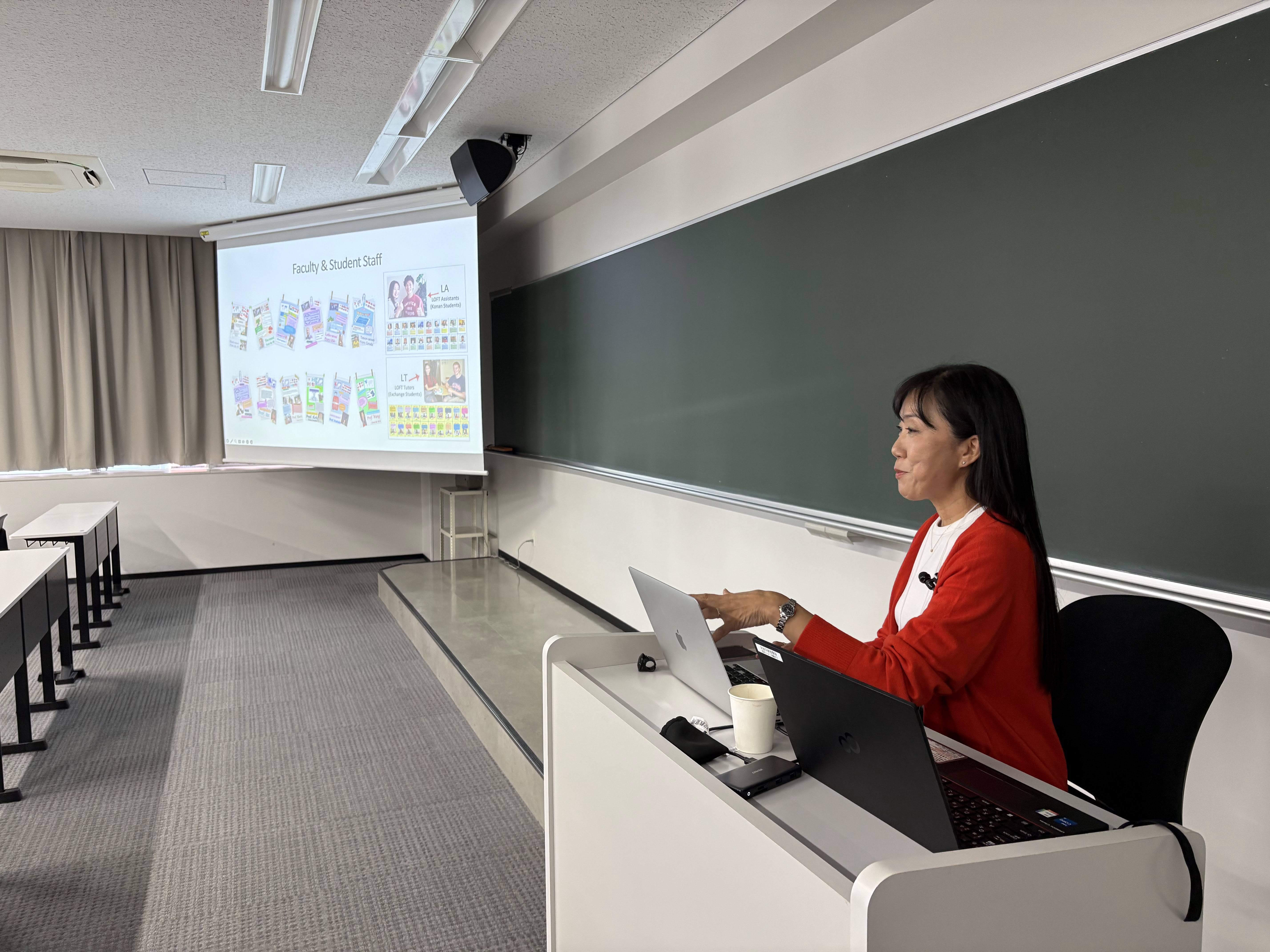
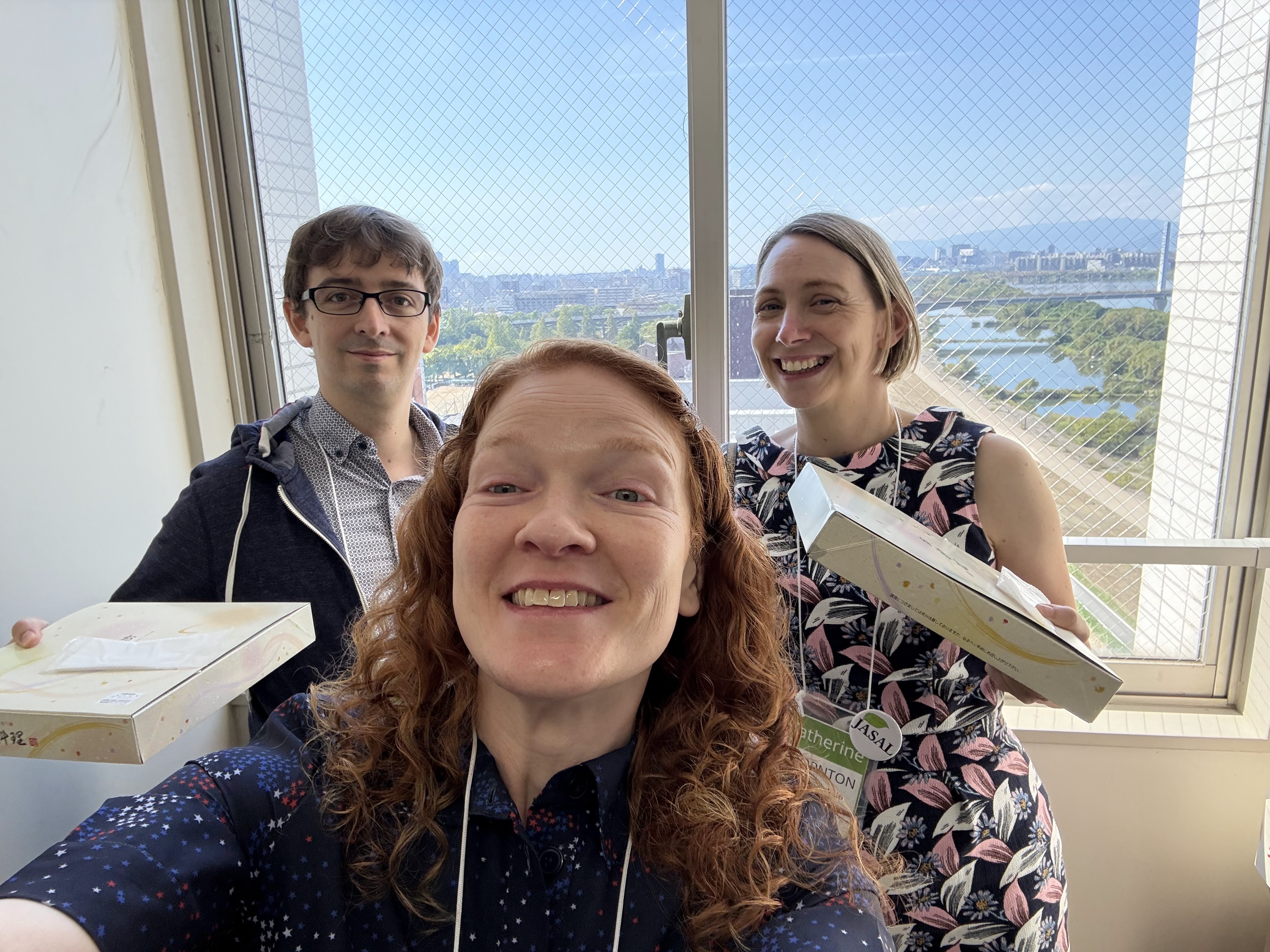
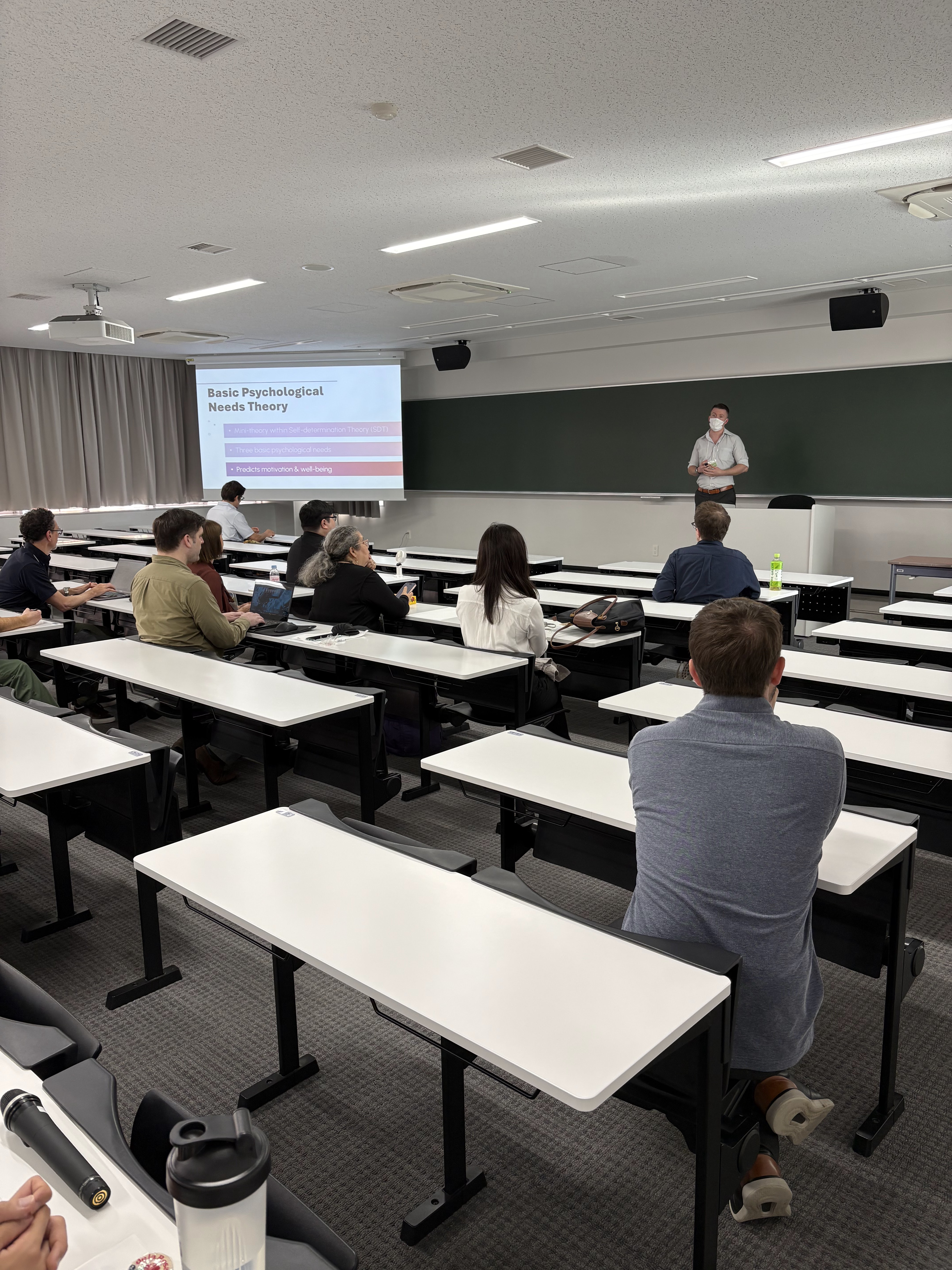
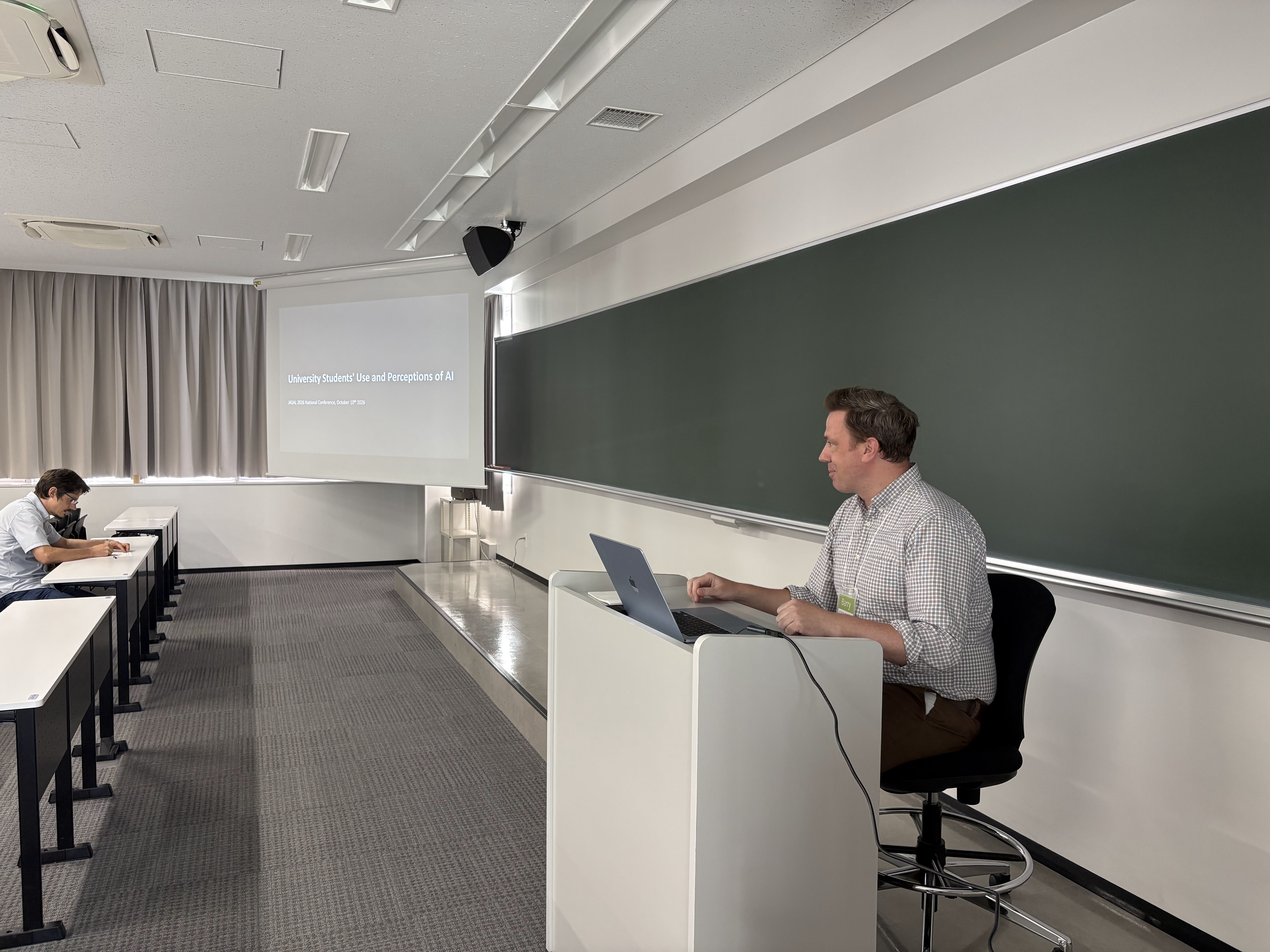
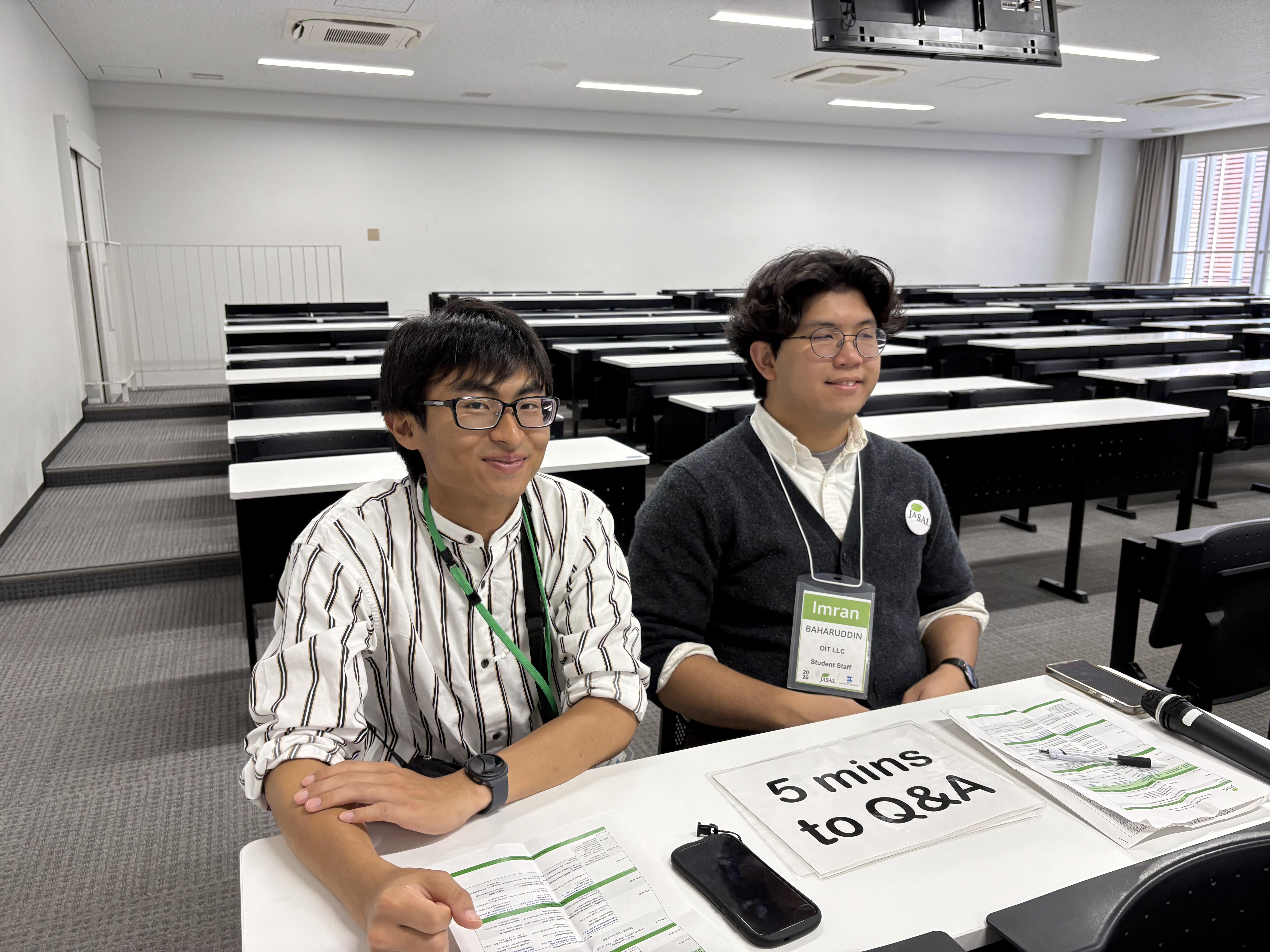
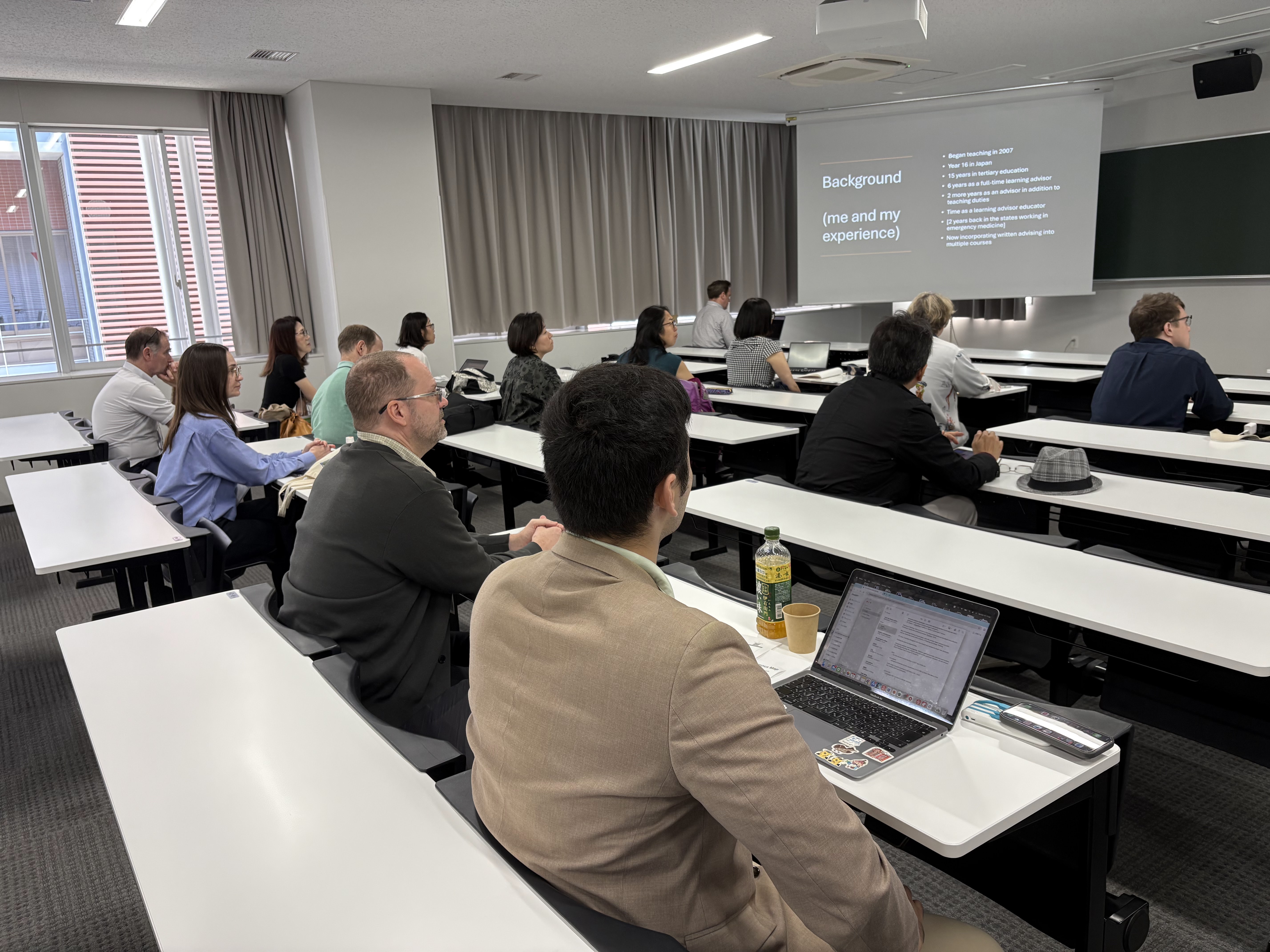
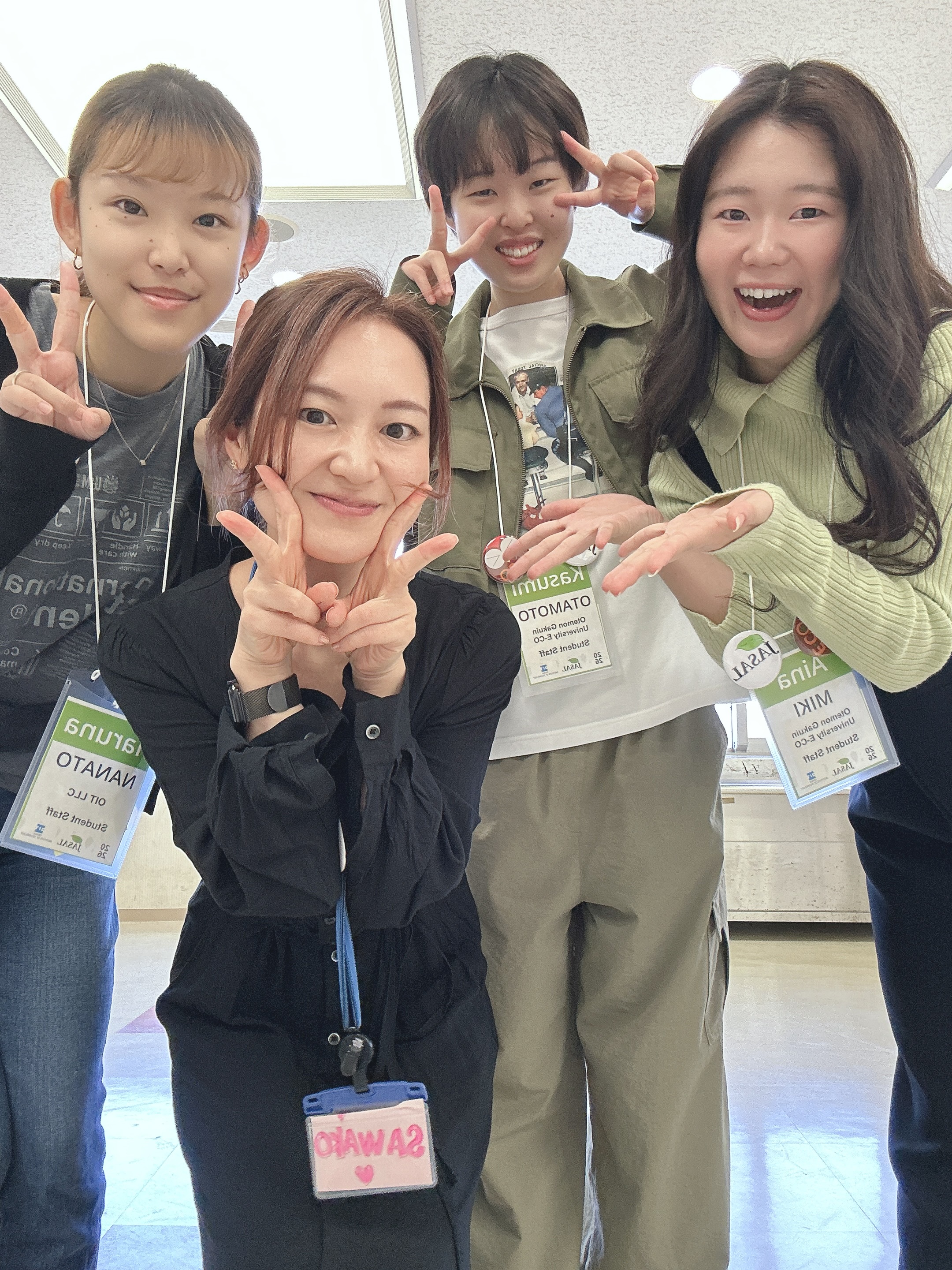
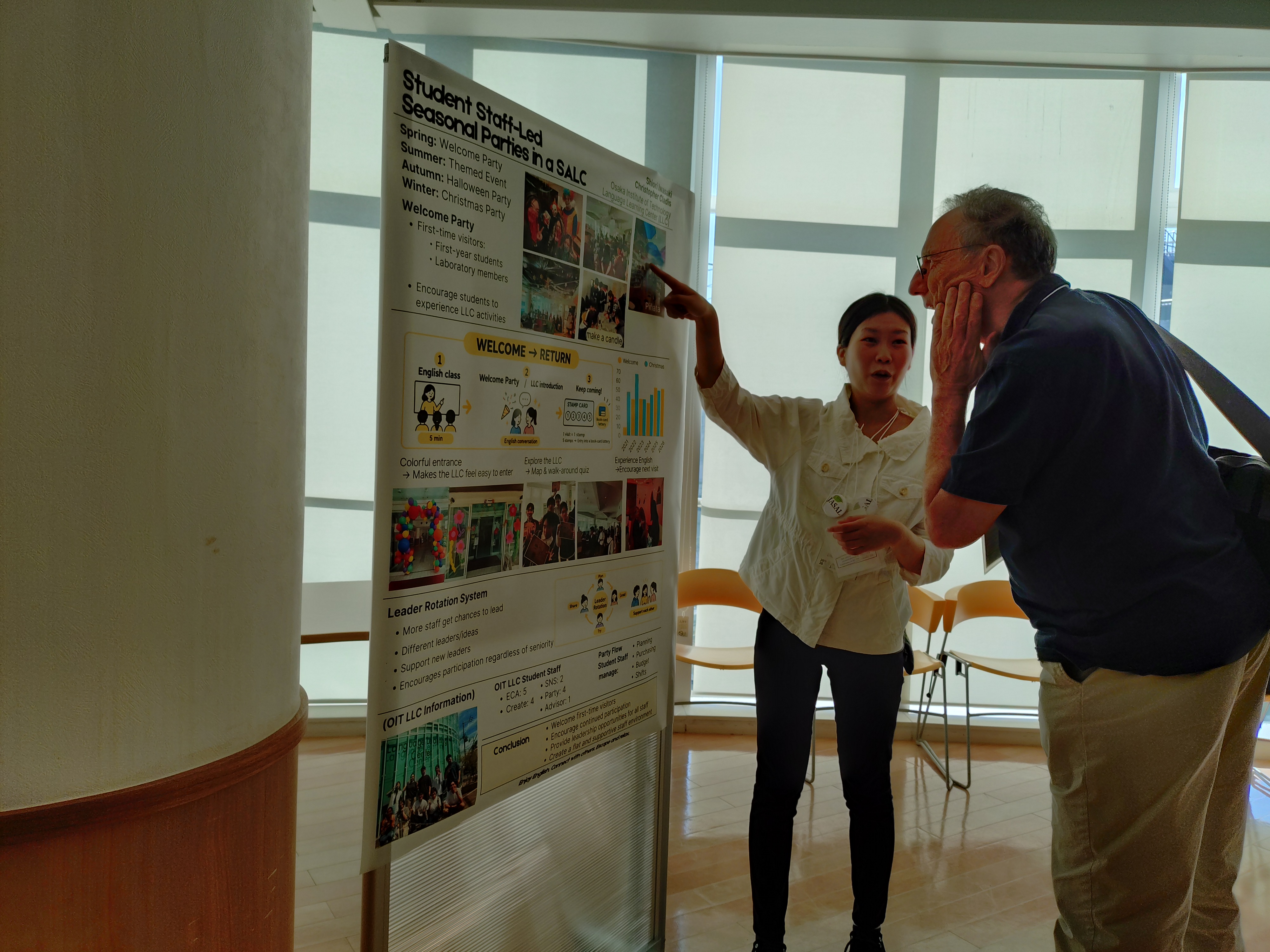
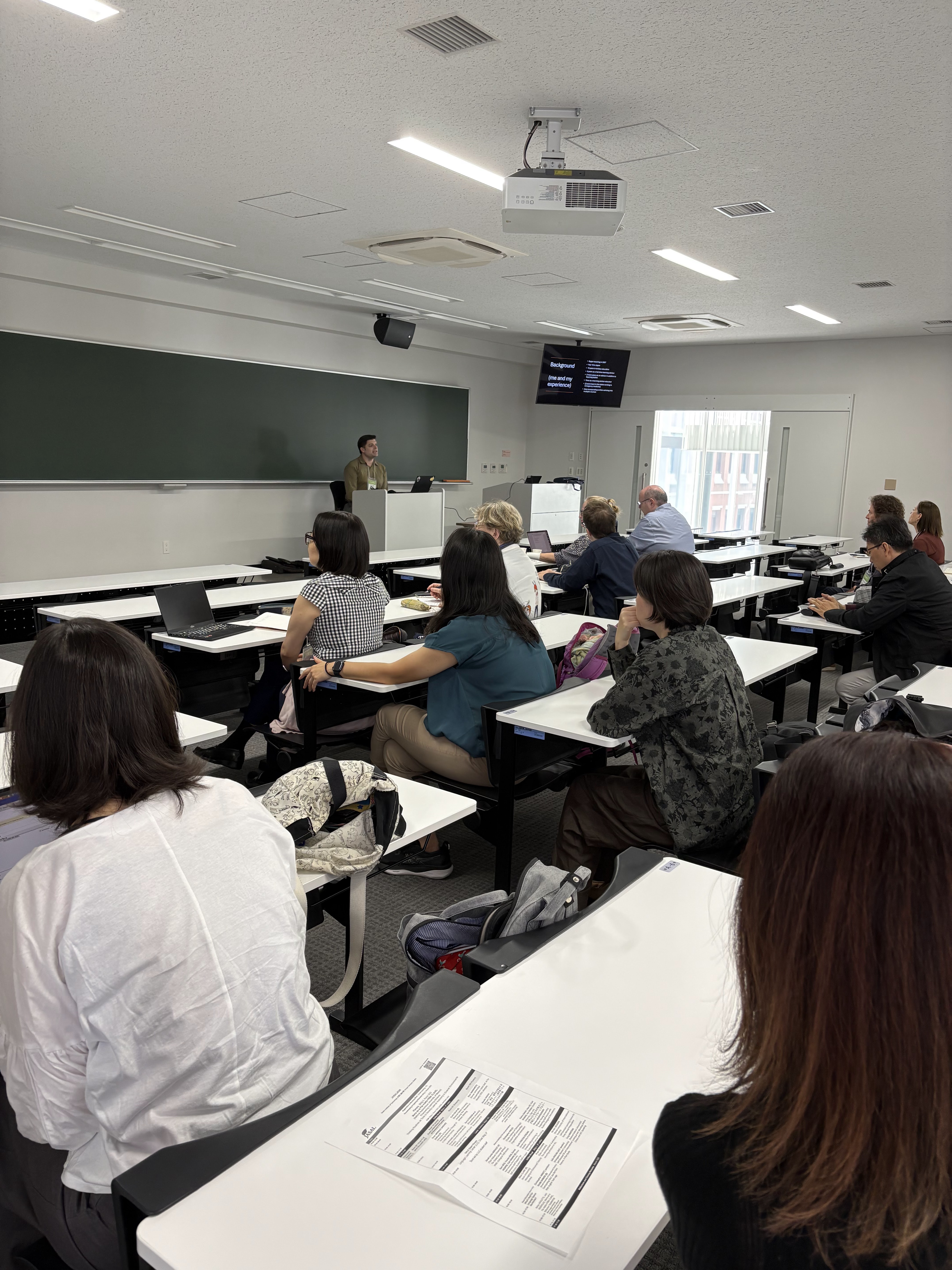
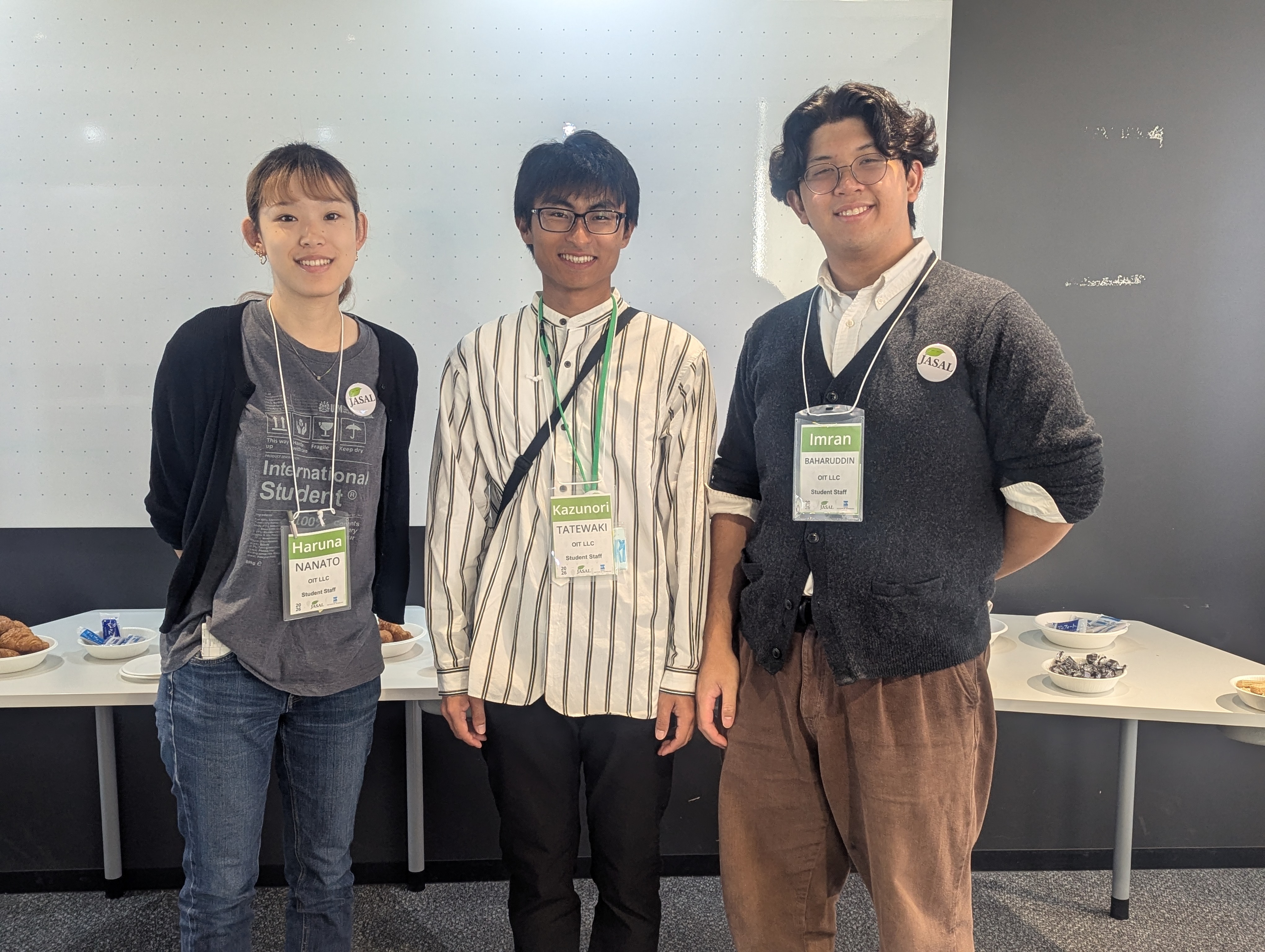
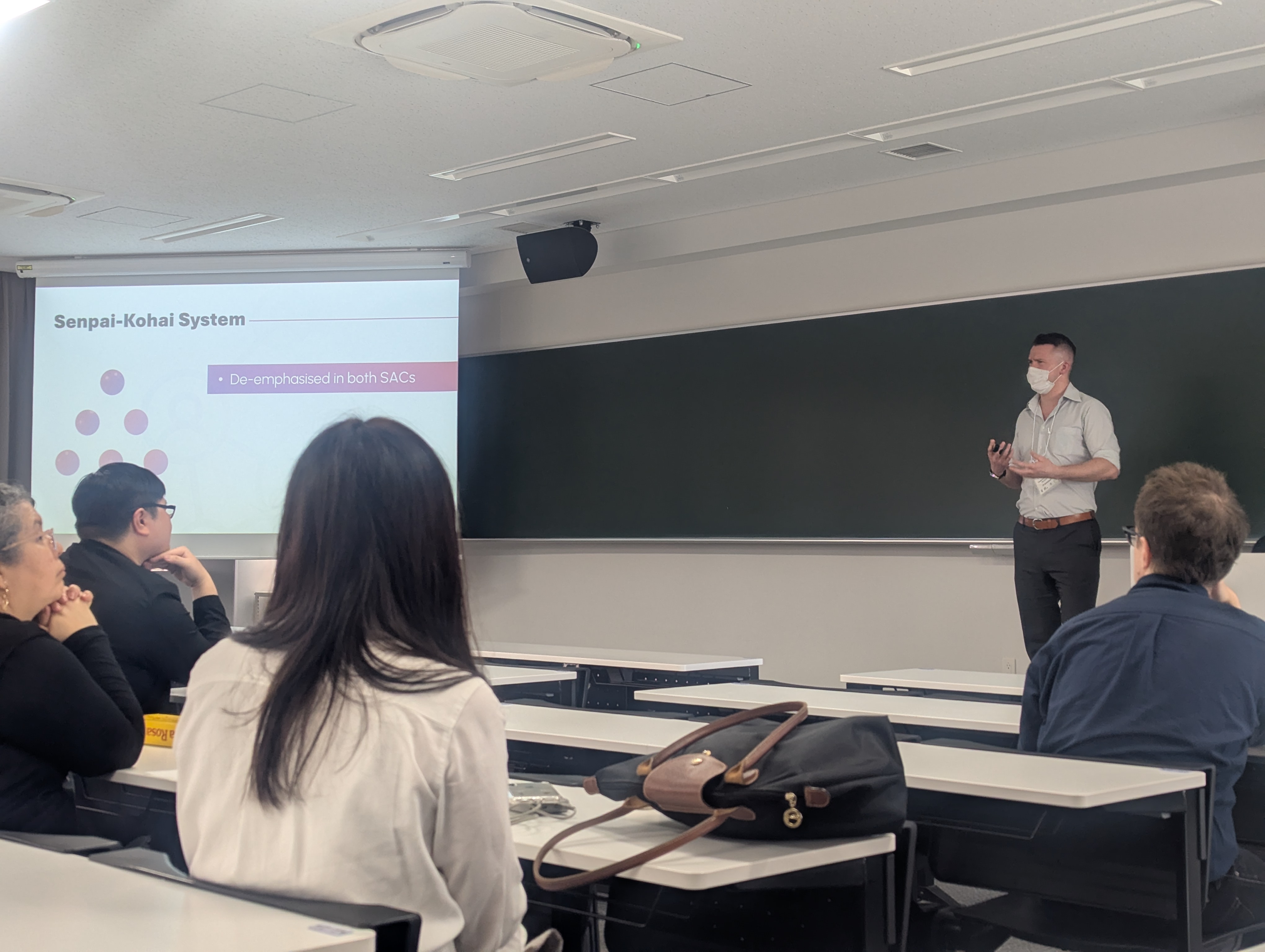
We also hope to offer a SAC Tour of the Language Learning Center (LLC), the self-access centre at OIT, on the afternoon of Friday, 9th October, and an online component to the conference – more details to follow later.
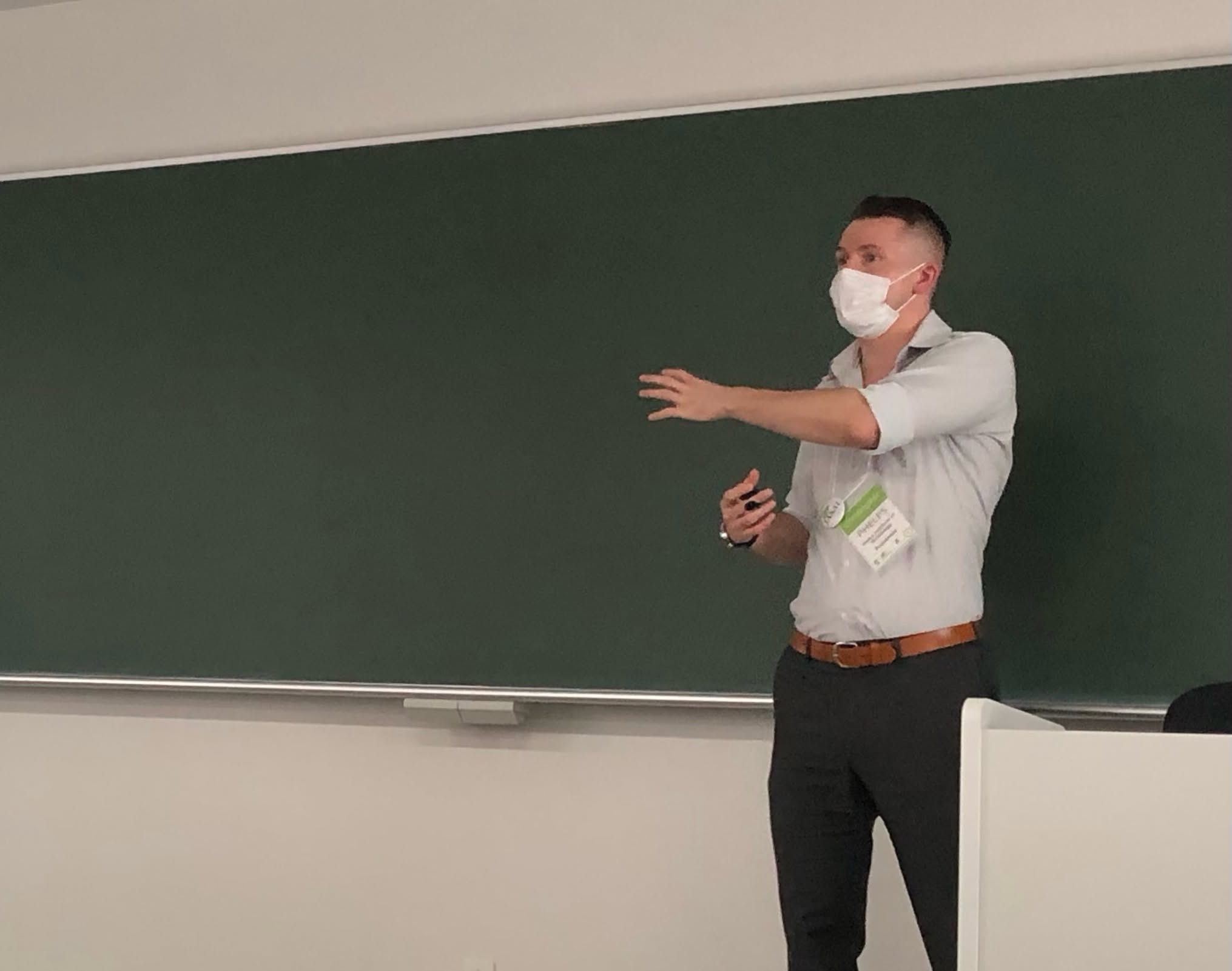
Thank you to the team at OIT, led by JASAL board member Christopher Phelps, for everything they have already done, and will do from now, to prepare for the conference.
We will share more details about the conference theme, plenary, basic schedule and call for papers around Golden Week, so for now please save the date and start thinking about possible self-access research and practices you would like to contribute.
This will be a 3-day weekend (for those of us who get the national holiday!) so we recommend booking accommodation as soon as possible.
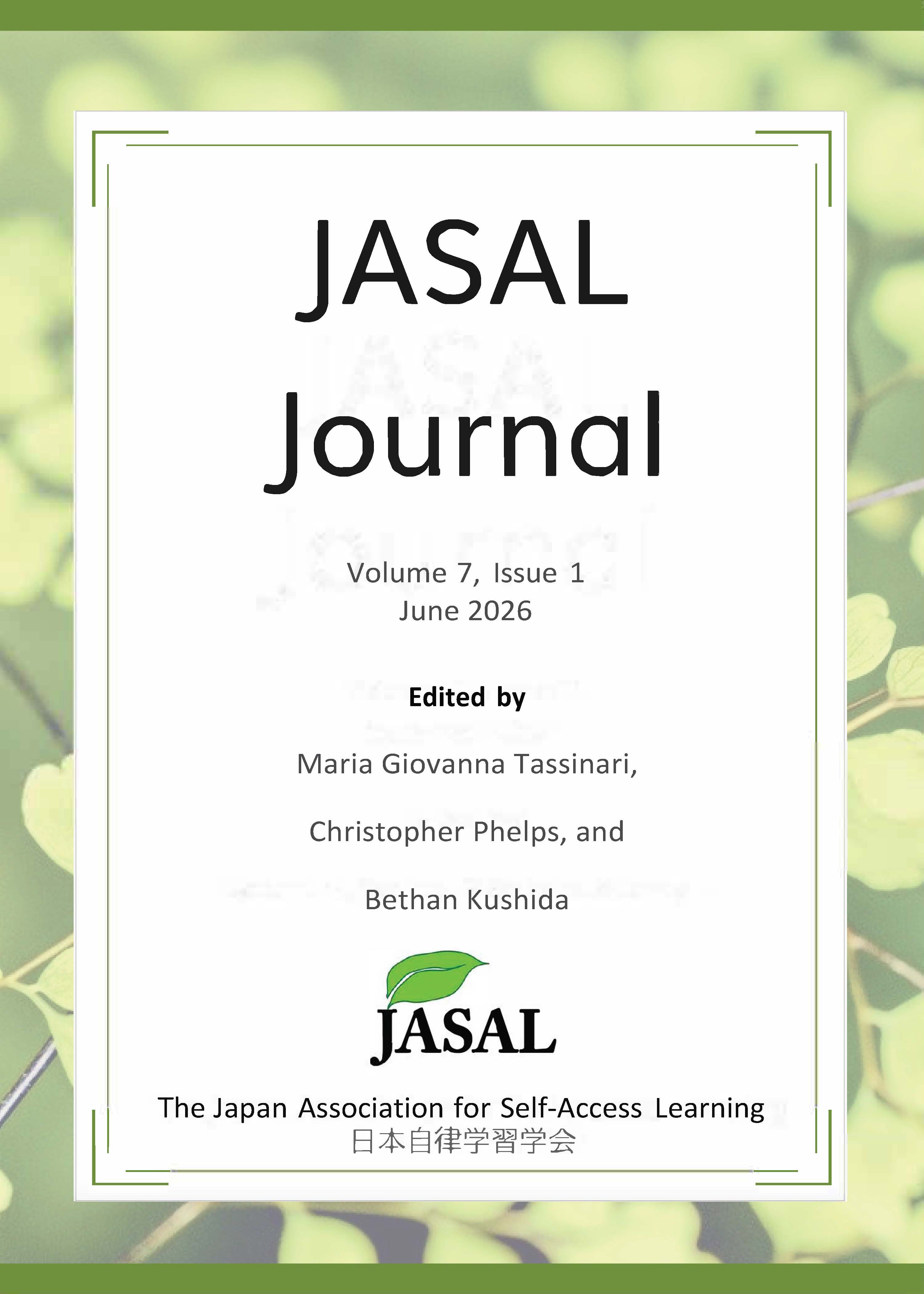
JASAL Journal Volume 7, Issue 1 is now accepting submissions with a deadline of 28thFebruary, 2026. The issue will be edited by Maria Giovanna Tassinari, Christopher Phelps, and Bethan Kushida. Following on from the JASAL 2025 National Conference, the theme of this issue will be Emotions in Self-Access Language Learning,although we will consider all proposals related to self-access language learning. We especially encourage presenters at JASAL 2025 National Conference to submit, but submission is open to all JASAL members.
Please refer to the journal guidelines and send submissions by email (jasalorgATgmail.com), indicating if your paper is a research paper, a discussion of self-access center practices, a reflective article, or a book or conference review. Feel free to make enquiries to the editorial team by email if you are considering whether to submit a paper.
The 9th Annual JASAL Student Conference took place on December 6, 2025, bringing together 28 participants (15 presenters and 13 attendees) from 8 universities (Gifu Shotoku Gakuen University, Kanda University of International Studies, Konan Women’s University, Ritsumeikan Asia Pacific University, Thompson Rivers University, Kyoto University of Foreign Studies, Ritsumeikan University, and Akita International University).
The conference featured 7 student presentations, accompanied by small-group discussions and action planning, fostering a supportive, cross-institutional space for exchanging ideas about student-led initiatives and practices.
Key themes that emerged
Motivation and learning culture: how SALCs can encourage sustained engagement by connecting language learning with identity, community, and cultural exchange.
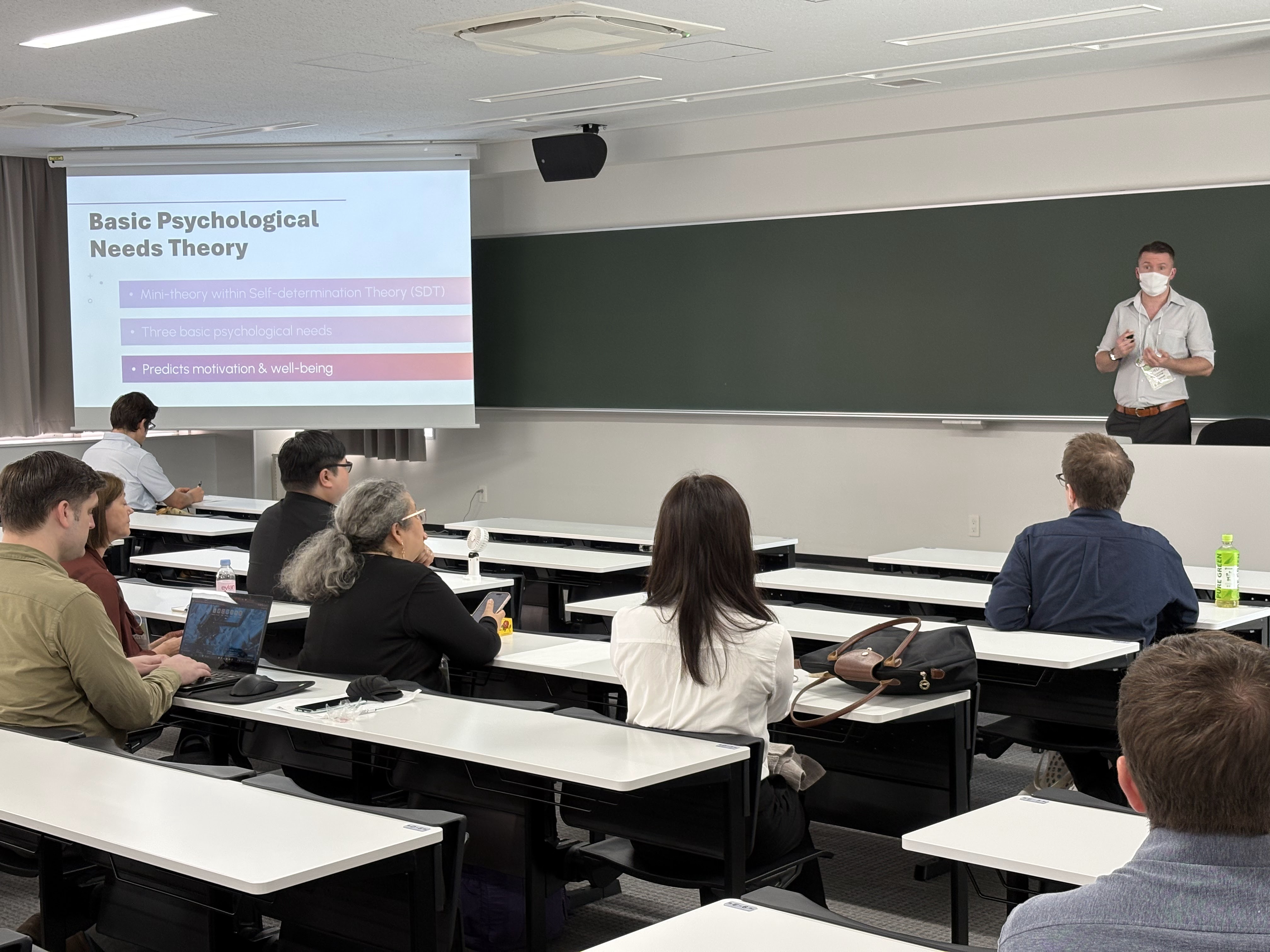
Wellbeing, mental health, and inclusion (EDI): how learning spaces can support students as whole people, not only as language learners.
GenAI and learning: both the opportunities and tensions around AI use, especially for students preparing to become teachers.
Promotion and participation: practical strategies for outreach, especially social media approaches (e.g., Instagram/TikTok-style promotion), to address common challenges with turnout.
Shared challenges, diverse solutions: participants repeatedly noted that even when centres share similar goals, the “how” differs, often shaped by local context, student needs, and institutional purpose.
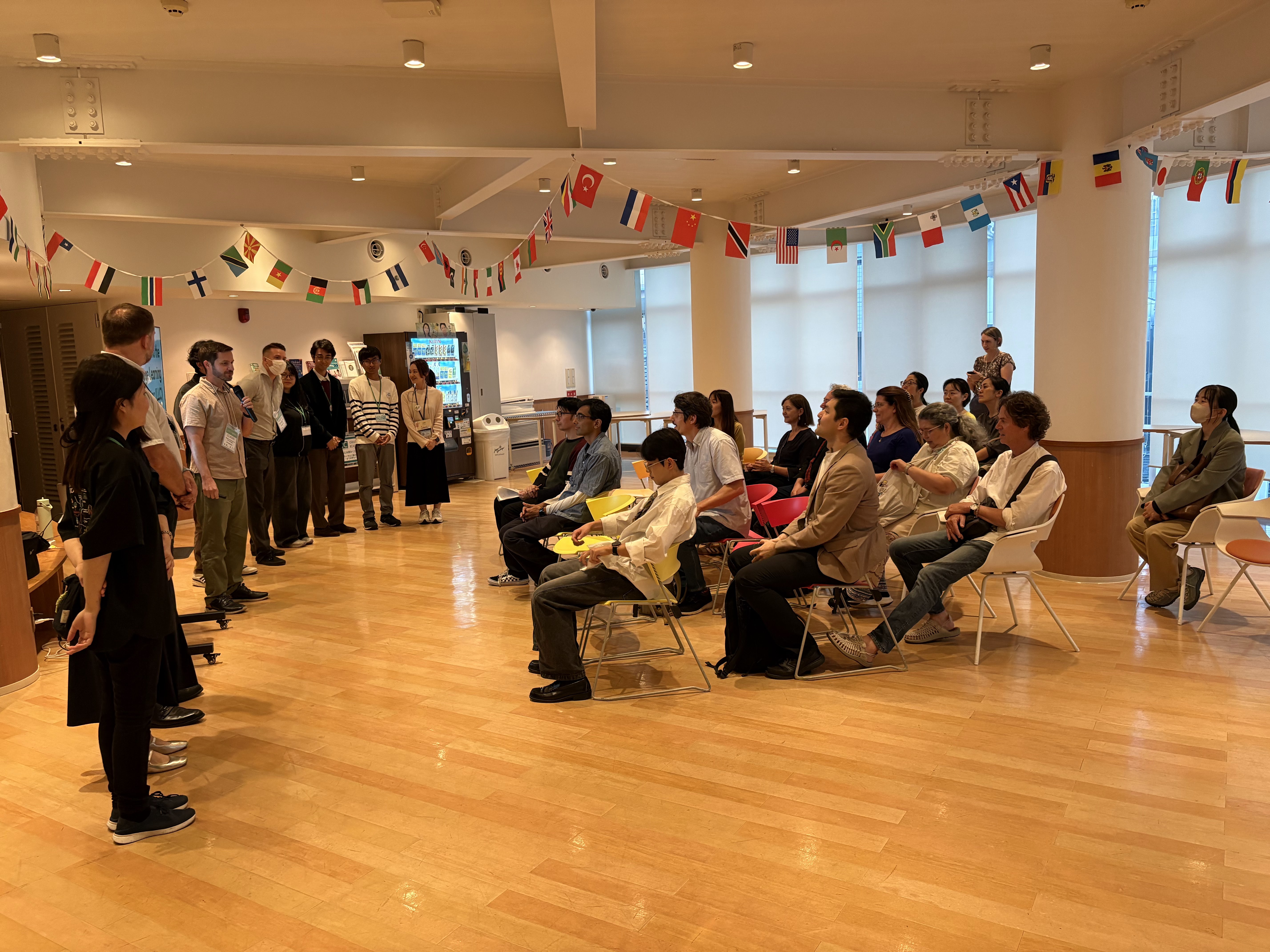
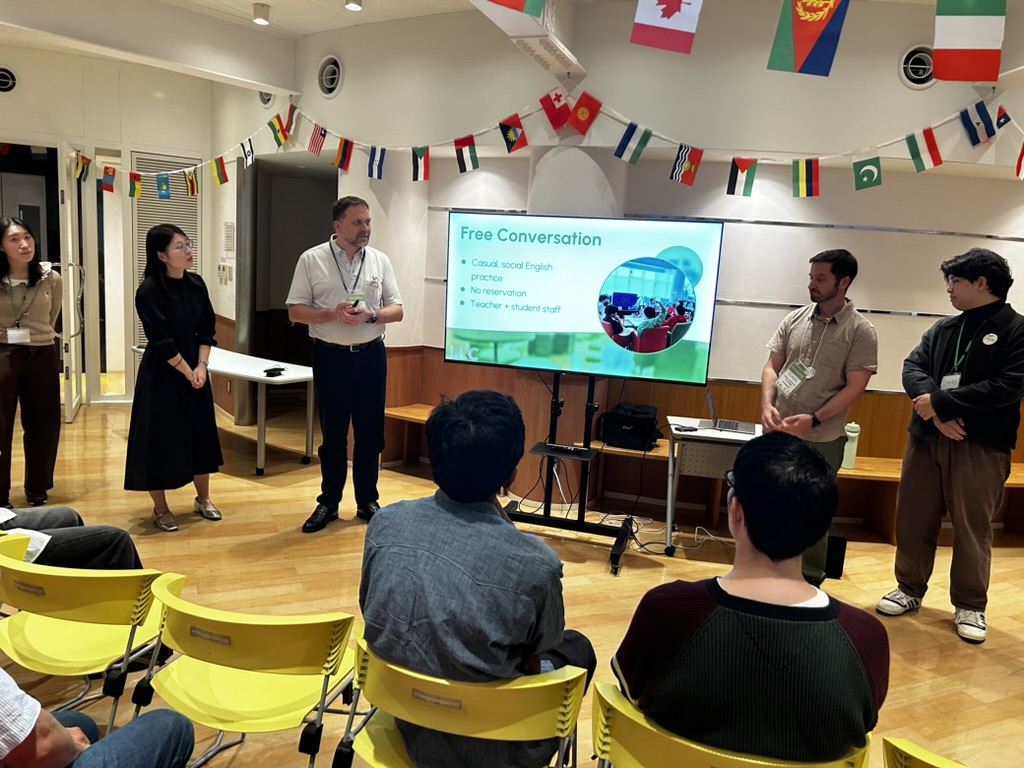
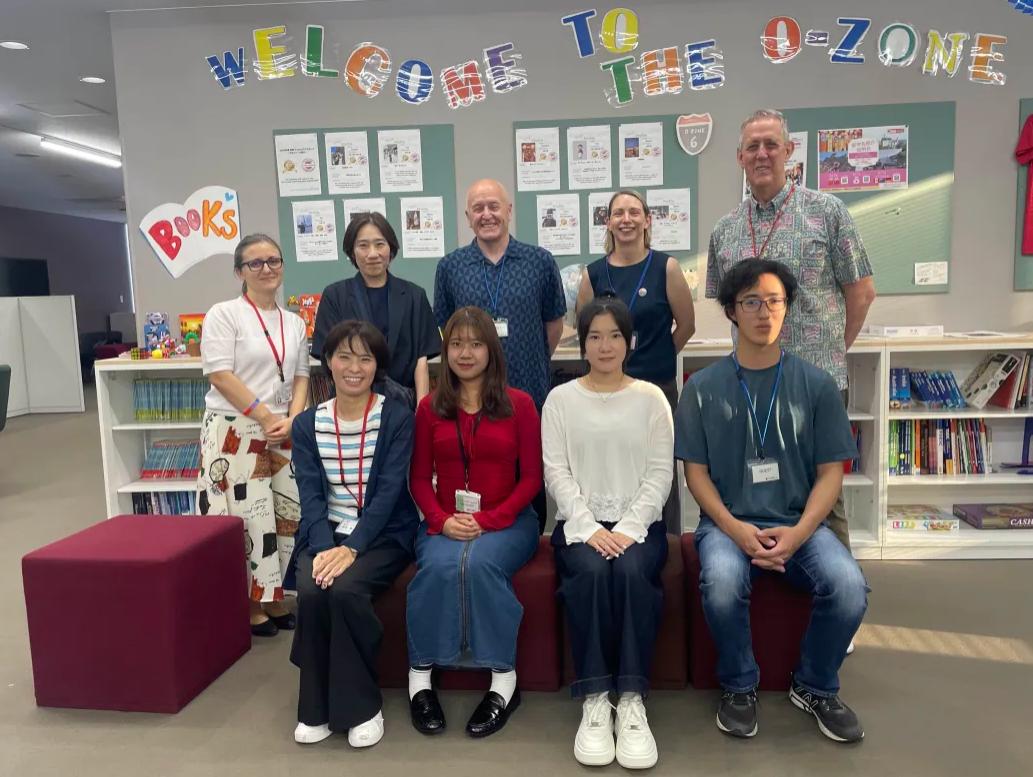
Over 20 conference delegates joined this year’s pre-conference SALC tour at APU’s SALC. We were first treated to a history of the SALC at APU by the Deputy Director of the Center for Language Education, Steven Pattison, and Lindsay Mack, who was involved in establishing the SALC in 2006.
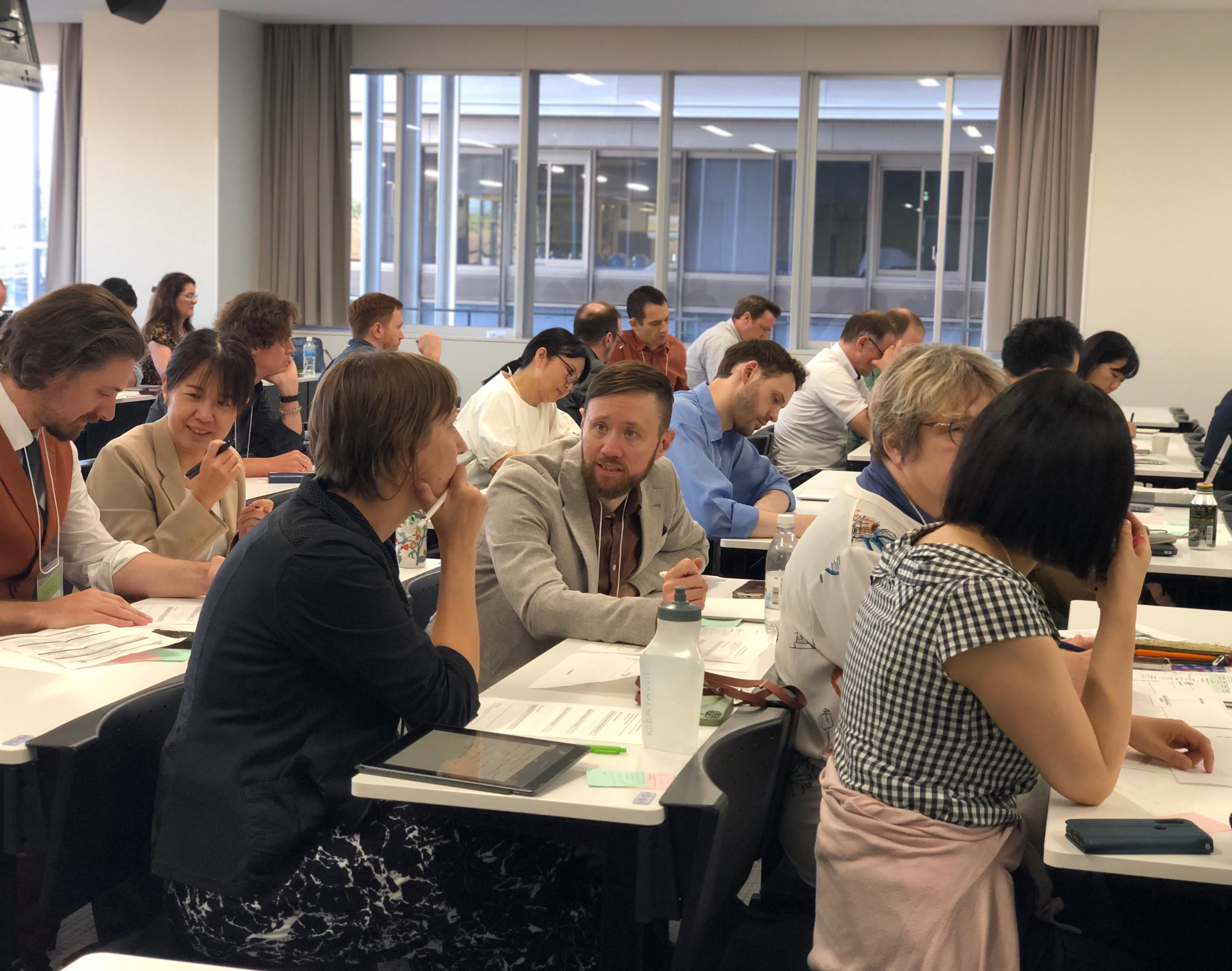
Then students took the lead with some short workshop activities, where each table of participants were encouraged to share their opinions and experiences on a number of topics such as curriculum integration, support for learner autonomy and other topics.
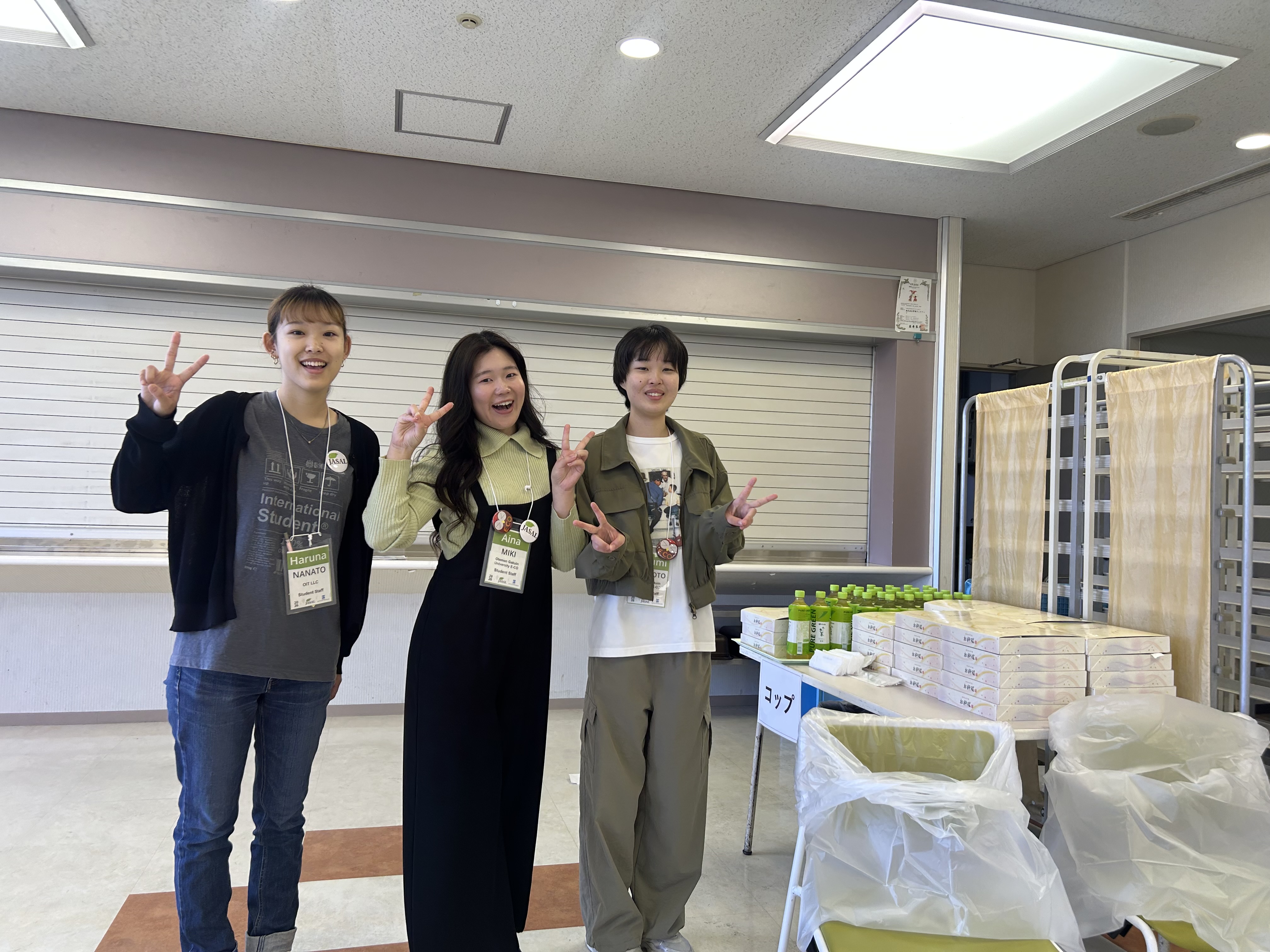
Then we were given a tour of the SALC facilities and encouraged to speak to the different student staff on duty who explained the different spaces and services available in the SALC. The professionalism and enthusiasm of all the student staff was very inspiring to see, and it was great to connect with other SALC practitioners while exploring this very welcoming and innovative SALC.
In theJASAL2025 Conference Handbook, you will find essential information for both on-site and online attendees, including venue details at Ritsumeikan Asia Pacific University and transportation options. It outlines the plenary session, full conference schedule, optional activities, and presentation abstracts. The handbook also features poster presentations, details about the upcoming online JASAL Student Conference, information on the JASAL Journal, partner organizations, and acknowledgements to APU.
Where? National Olympics Memorial Youth Center (Tokyo) – Room 307
When? Saturday, November 1st, 2025, 17:40 – 19:10
Who? Daniel Hooper (Tokyo Kasei University), Yuki Namiki (Tokyo Kasei University), Samuel Reid (Tokyo Kasei University) Suwako Uehara (The University of Electro-Communications), Conveners: Katherine Thornton (Otemon Gakuin University), Misato Saunders (Ritsumeikan Asia Pacific University)
What about? This year’s JASAL Forum explores two topics relevant for any self-access space: How to revitalise an underutilised SALC based on insights gained through needs analysis of student and faculty perspectives, and how an International Week event, in collaboration with faculty and other university departments, can enhance the visibility of global activities both within and beyond the university. Practical advice for implementing similar initiatives will be shared by the presenters and followed by a discussion.
To sign-up for these optional services, and to order a bento lunch, please use this sign-up form. (Please note that this is a different form to the conference registration form – see Registration below). Deadline: Sign-up and pay by Tuesday, September 30th.